
Understanding Slots: The Basics of Casino Games
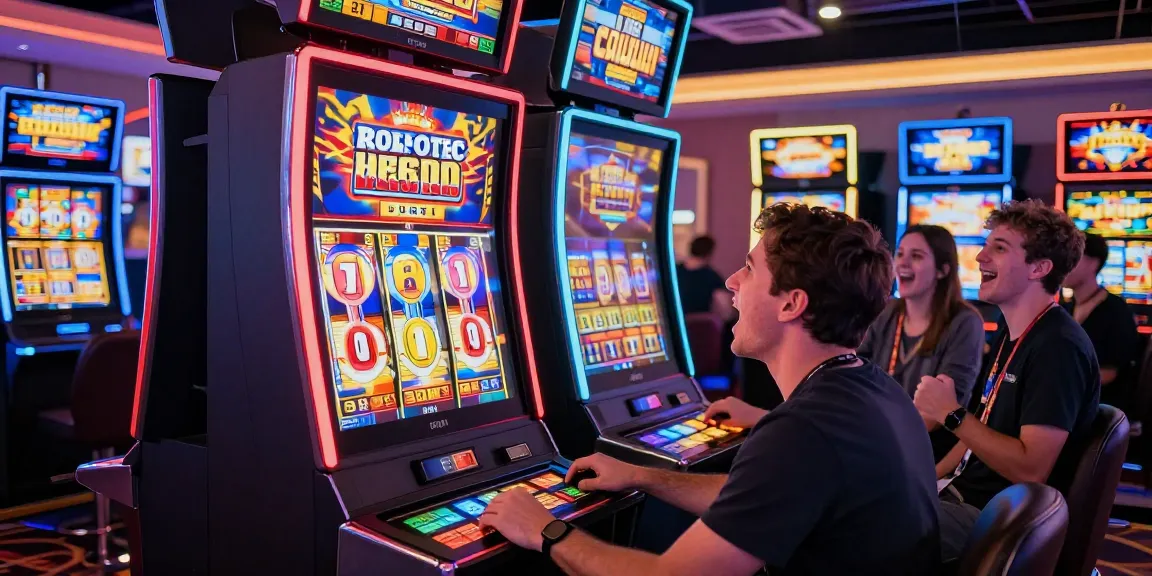
Slots have become an iconic symbol of the gambling industry, appealing to millions of players around the world. The thrill of spinning the reels and the potential for striking it rich has made slot machines a favorite pastime in casinos, online platforms, and even mobile applications. This comprehensive guide delves into the intricacies of slots, exploring their mechanics, types, and the psychological elements that make them irresistible to players. When exploring options, slot machines are at the forefront of gaming technology, constantly evolving to meet player expectations.
What is a Slot Machine?
A slot machine is a gambling device that generates random combinations of symbols on a screen when activated, typically through the pull of a lever or the push of a button. Players place wagers before each game, and the outcome is determined by the random number generator (RNG) integrated into the machine. Today’s slot machines can be physical machines found in casinos or digital versions accessible online and via mobile apps.
How Do Slots Work? Mechanics and Payouts
At their core, slot machines operate on a simple premise: players insert money, choose their bet amount, and spin the reels. The outcome is determined by the alignment of symbols when the reels stop spinning. Here's a breakdown of how they work:
- Random Number Generator (RNG): This is the software that ensures every spin is independent and random, providing fair outcomes based on chance.
- Paylines: Each slot has a specific number of paylines, which are the lines that determine winning combinations. Players can typically choose how many paylines to activate with their bet.
- Payout Percentage: Also known as Return to Player (RTP), this percentage indicates how much money a machine returns to players over time. For example, an RTP of 95% means that, on average, for every $100 wagered, $95 is returned.
The Evolution of Slot Machines Over the Years
Slot machines have come a long way since their inception in the late 19th century. The first mechanical slot machine, known as the Liberty Bell, was invented in 1895 and featured three spinning reels and a single payline. Over the decades, technology has advanced dramatically, resulting in:
- Electromechanical Slots: Introduced in the 1960s, these machines combined mechanical elements with electronic circuitry for more complex gameplay.
- Video Slots: Emerging in the 1970s, video slots replaced physical reels with digital screens, allowing for more vibrant graphics and animations.
- Online Slots: The rise of the internet in the late 1990s and early 2000s brought slots to online casinos, making them accessible from anywhere in the world.
Types of Slot Machines: Classic vs. Video Slots
Characteristics of Classic Slot Machines
Classic slot machines, often referred to as traditional slots, typically feature three reels and a limited number of paylines. They are characterized by:
- Simple gameplay and straightforward mechanics.
- Familiar symbols like fruits, bars, and lucky sevens.
- Lower betting limits, making them accessible for casual players.
Features of Modern Video Slots
Modern video slots have transformed the gambling experience with advanced technology and creative themes. Key features include:
- Multiple Reels and Paylines: Many video slots feature five or more reels and hundreds of paylines, increasing the chances of winning.
- Bonus Rounds: Players can trigger special bonus games that offer free spins, multipliers, or interactive experiences.
- 3D Graphics and Animations: These slots immerse players in captivating narratives with visually stunning graphics.
Progressive Slots: How They Work
Progressive slots are a popular choice for those seeking huge jackpots. These machines are linked together, with a portion of each bet contributing to a communal jackpot that grows until someone wins. The thrill of potentially winning life-changing sums of money is a major draw for players. Here’s how they operate:
- Multiple players contribute to the jackpot.
- Jackpots can reach millions of dollars, creating excitement among players.
- Winning a progressive jackpot often requires a maximum bet, so players should be aware of their betting strategies.
The Psychology of Slot Machines: Why Players Love Them
The Role of Randomness and Chance in Playing Slots
The appeal of slot machines largely stems from their unpredictable nature. Players are drawn to the possibility of winning big, and this randomness fuels excitement and anticipation. The brain releases dopamine, a feel-good hormone, every time we win or even anticipate a potential win, enhancing the overall gaming experience.
Reward Systems and Player Engagement Techniques
Slot machines are designed with various reward systems that keep players engaged. For instance:
- Frequent Small Wins: Many machines are programmed to provide small wins regularly, creating a sense of achievement.
- Bonus Features: Engaging bonus rounds and free spins encourage players to keep spinning.
- Loyalty Programs: Casinos often reward regular players with loyalty points that can be redeemed for cash or prizes.
Common Misconceptions About Slot Gaming
Several myths surround slot gaming that can misguide players, such as:
- Slots are rigged to always favor the casino.
- Player decisions impact the outcome of spins.
- Winning is purely based on luck without any skill involved.
Understanding the mechanics behind slots can help dispel these myths and encourage a more enjoyable gaming experience.
Strategies for Playing Slots: Maximizing Your Experience
How to Choose the Right Slot Game
Selecting the right slot game can greatly influence your gaming experience. Consider the following factors:
- Themes: Choose themes that excite and engage you. Whether it’s adventure, classic fruits, or pop culture, personal interest enhances enjoyment.
- Payout Percentages: Look for slots with higher RTP percentages to maximize your potential returns.
- Volatility: Understand the risk versus reward; low volatility slots offer frequent but smaller wins, while high volatility slots offer larger payouts less frequently.
Bankroll Management: Tips for Players
Successful players know the importance of managing their bankroll effectively. Here are some tips:
- Set a budget before playing and stick to it, avoiding the temptation to chase losses.
- Determine your betting limits based on your bankroll size and the type of slot you are playing.
- Consider using a portion of your winnings for further play while setting aside the rest.
Understanding Slot Machine Volatility
Volatility refers to the risk level associated with a slot machine. Understanding this can help players choose games that fit their risk appetite:
- Low Volatility: Ideal for players seeking entertainment with regular wins.
- Medium Volatility: Balances frequency and size of wins, suitable for most players.
- High Volatility: For players chasing big jackpots and willing to take significant risks.
The Future of Slots: Innovations and Trends for 2026
Impact of Mobile Technology on Slot Gaming
The rapid growth of mobile technology has revolutionized the way players interact with slot machines. As of 2026, we can expect:
- Improved graphics and user interfaces tailored for smartphones and tablets.
- Integration of augmented reality (AR) features, offering immersive gaming experiences.
- Enhanced security measures for online transactions and player data protection.
Emerging Trends in Slot Game Themes and Features
Theming in slot games is a crucial part of attracting players. New trends include:
- Crossover themes that combine popular entertainment franchises with gaming.
- Interactive elements where players can influence the outcome of bonus rounds.
- Collaborations with social media influencers to create buzz around new slot releases.
Regulatory Changes and Their Effects on Slot Machines
With evolving technology comes the need for updated regulations to ensure fair play and protection for players. As of 2026, regulatory changes may include:
- Stricter guidelines for online casinos to prevent fraud.
- Increased transparency in payout percentages and machine mechanics.
- Implementation of responsible gambling measures to protect vulnerable players.
What to Expect in the Casino Gaming Industry Next?
The casino gaming industry is constantly changing. Key expectations for the near future include:
- Greater integration of AI technology for personalized gaming experiences.
- Expansion of live dealer slots that offer real-time interaction with dealers.
- Innovative payment methods, including cryptocurrencies, gaining acceptance in online gaming.