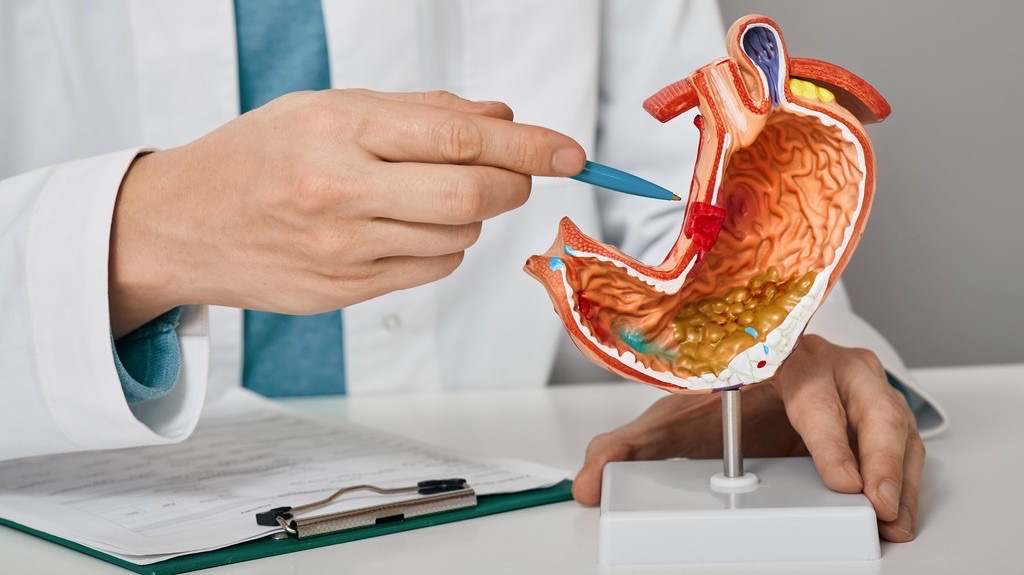
A child's digestive system plays an important role in growth, energy, immunity, and overall development. When digestive issues occur, they can affect appetite, nutrition, comfort, and daily activities. Symptoms such as frequent stomach pain, irregular bowel habits, vomiting, or poor weight gain may indicate concerns that require proper medical evaluation. Consulting the best pediatric gastroenterologist in Vijayawada helps parents understand the underlying cause and receive child-focused treatment.
Digestive problems in children can range from temporary discomfort to conditions requiring specialised care. Recognising early warning signs and seeking timely medical guidance can prevent complications while supporting healthy growth. A detailed evaluation helps doctors create personalised care plans based on the child's age, symptoms, and overall health needs.
Understanding Digestive Problems in Children
Children may experience digestive concerns due to dietary habits, infections, food sensitivities, or underlying gastrointestinal conditions. Since their digestive systems are still developing, even minor issues may affect nutrient absorption and physical development if ignored for a long time.
Early identification of digestive problems allows healthcare providers to recommend appropriate treatment and lifestyle changes. Proper diagnosis also helps parents understand whether symptoms are temporary or require specialised medical attention.
Common Digestive Issues Parents Should Monitor
Digestive symptoms can appear in different forms depending on the child's health condition. Paying attention to changes in eating patterns, bowel habits, and physical comfort helps parents identify when medical support may be needed.
1. Frequent Abdominal Pain
Recurring stomach pain can occur due to various reasons, including constipation, food intolerance, infections, or functional digestive disorders. When abdominal discomfort becomes frequent or affects daily activities, medical evaluation helps identify the cause and provide suitable management.
2. Persistent Constipation
Constipation is a common digestive concern among children and may result from low fibre intake, inadequate hydration, or changes in routine. If constipation continues for a long time, it may cause discomfort, reduced appetite, and difficulty passing stools.
3. Repeated Vomiting Episodes
Occasional vomiting may happen due to infections or food-related issues, but frequent episodes require careful assessment. Persistent vomiting can affect hydration and nutrition, making early medical attention important for preventing complications.
4. Changes in Appetite and Weight
Sudden changes in appetite or unexplained weight loss may indicate digestive problems affecting nutrient absorption. Monitoring growth patterns helps doctors identify whether a child is receiving adequate nutrition for healthy development.
5. Diarrhoea and Bowel Changes
Frequent loose stools or changes in bowel patterns may result from infections, food sensitivities, or digestive disorders. Persistent symptoms require evaluation to prevent dehydration and ensure proper management.
Warning Signs That Need Medical Attention
Some digestive concerns in children may improve with simple dietary changes and proper care, but certain symptoms require closer attention. Persistent or recurring digestive problems can affect a child's nutrition, comfort, and overall development if they are not evaluated at the right time.
Parents should observe changes in their child's eating habits, bowel patterns, and physical well-being. Seeking medical guidance at an early stage helps identify the underlying cause and allows doctors to provide suitable treatment before complications develop.
● Persistent stomach pain or frequent abdominal discomfort.
● Repeated vomiting or difficulty keeping food down.
● Long-lasting constipation or painful bowel movements.
● Frequent diarrhoea or signs of dehydration.
● Unexplained weight loss or poor weight gain.
● Blood in stool or unusual changes in bowel habits.
Recognising these signs early helps healthcare providers evaluate the child's digestive health more effectively. Timely diagnosis and proper management support better recovery while ensuring healthy growth and development.
Role of Specialised Pediatric Digestive Care
Children require specialized digestive care because their nutritional needs, growth patterns, and medical conditions differ from adults. Pediatric digestive specialists focus on diagnosing and managing gastrointestinal concerns while considering the child's overall development.
Many parents searching for pediatric gastro in Vijayawadaprefer healthcare providers who offer specialized evaluation, advanced diagnostic support, and personalized treatment plans for childhood digestive conditions. Expert care helps manage symptoms effectively while supporting long-term digestive wellness.
Factors That Can Affect Children's Digestive Health
Several factors can influence how well a child's digestive system functions. Understanding these factors helps parents make informed choices and support better gastrointestinal health.
1. Dietary Imbalances
A diet lacking essential nutrients, fiber, or hydration can affect digestion and bowel regularity. Encouraging healthy eating habits with balanced meals supports proper digestive function and overall growth.
2. Food Sensitivities
Some children may experience digestive discomfort due to sensitivity or intolerance to certain foods. Identifying trigger foods through proper medical guidance helps manage symptoms and improve digestive comfort.
3. Infections and Illnesses
Viral or bacterial infections can temporarily affect the digestive system and lead to symptoms such as diarrhoea, vomiting, or stomach discomfort. Proper care helps children recover while preventing dehydration and nutritional concerns.
4. Stress and Lifestyle Changes
Emotional stress, changes in routine, and lack of physical activity can influence digestive health in some children. Maintaining healthy routines and providing emotional support contributes to better digestive balance.
5. Poor Hydration Habits
Insufficient water intake can contribute to constipation and digestive discomfort. Encouraging regular hydration supports smoother digestion and helps maintain normal bowel function.
Conclusion
Digestive problems in children should be identified and managed at the right time to support healthy growth and development. Recognizing warning signs, seeking specialized evaluation, maintaining healthy habits, and following personalized treatment plans help protect a child's digestive wellness.
Families looking for advanced child healthcare services, including support from a best pediatric neurologist near me, often prefer hospitals that provide multiple pediatric specialties with experienced medical professionals. Ankura Hospital is known for its commitment to comprehensive women and child healthcare, offering specialized pediatric services supported by advanced facilities, skilled doctors, and patient-focused treatment approaches. With its focus on delivering quality care for children across different medical needs, Ankura Hospitals continues to be a trusted healthcare partner for families seeking reliable and expert medical support