Understanding Smart Locks: The Basics of خرید قفل هوشمند
As technology continues to evolve, the demand for innovative security solutions has led to the rise of smart locks. This modern locking mechanism not only enhances security but also integrates seamlessly with smart home systems. Homeowners are increasingly turning to these devices for their convenience and advanced features. When exploring options, خرید قفل هوشمند offers comprehensive insights into the best choices available in the market.
What is a Smart Lock?
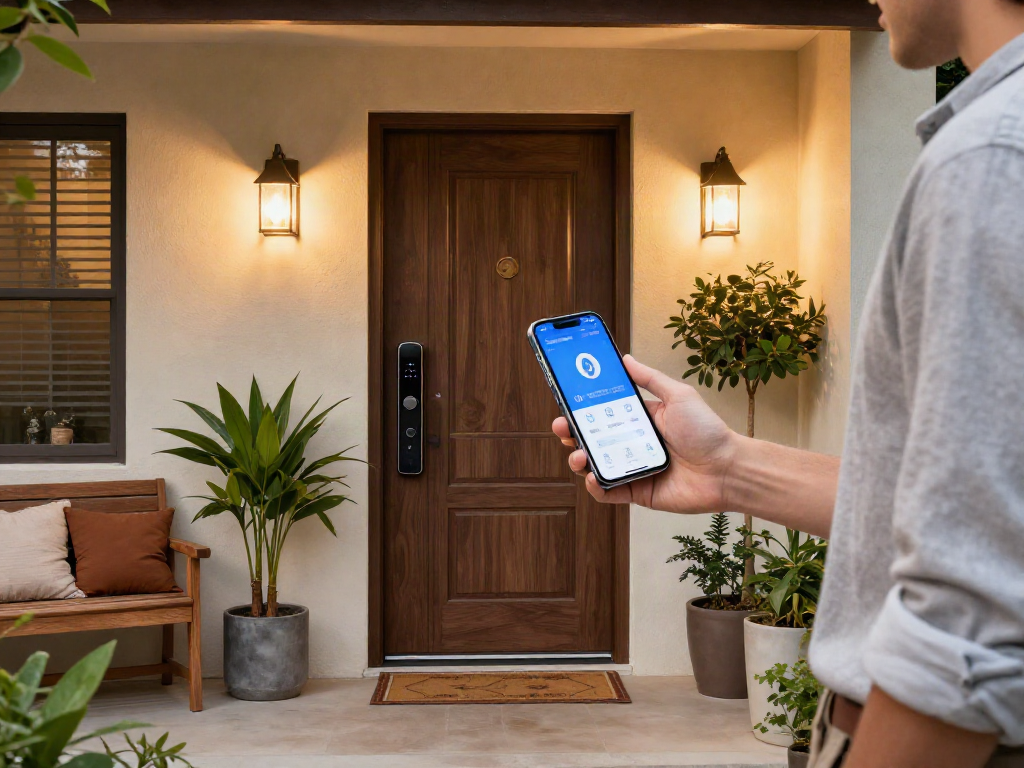
A smart lock is an electromechanical lock that allows you to secure and unsecure your door using a smartphone app, keypad, or even biometric data like fingerprints. Unlike traditional locks that require physical keys, smart locks can be operated remotely, giving users more control over their security. This modern solution addresses the challenges of maintaining security while providing ease of access.
How Smart Locks Work: Key Features
Smart locks use a combination of technologies to grant access. Here are some key features:
- Keyless Entry: Utilize smartphone applications, keypads, or biometric systems.
- Remote Access: Lock or unlock your door anytime from anywhere.
- Activity Logs: Monitor who enters or exits your home through notifications.
- Sharing Access: Grant or revoke access temporarily to guests or service personnel.
The Benefits of خرید قفل هوشمند for Homeowners
Smart locks offer numerous advantages that enhance home security and convenience:
- Improved Security: Advanced encryption and security protocols make unauthorized access more difficult.
- Convenience: No more fumbling for keys – just use your phone or a code.
- Integration: Can be integrated with other smart home devices for a cohesive security system.
- Flexibility: Easily control access for family, friends, or service providers without needing multiple keys.
Security Features of Smart Locks: What to Look For
Encryption and Data Protection
Security is paramount when it comes to smart locks. Look for models that offer robust encryption methods, such as AES-256, which encrypts data to protect against unauthorized access. Additionally, consider locks that have secure pairing options with your smartphone, ensuring that only authorized devices can control your lock.
Access Control Options
Different smart locks come with various access control methods:
- Biometric options, such as fingerprint recognition.
- Keypad entry for code-based access.
- Mobile app controls for remote access and monitoring.
The ability to customize access levels is crucial, allowing homeowners to provide unique codes for guests.
Integration with Home Security Systems
Smart locks should seamlessly integrate with existing home security systems. This includes compatibility with alarm systems, smart cameras, and voice assistants like Alexa or Google Assistant. Such integration can provide real-time alerts and enhance your home’s overall security posture.
Common Concerns and Misconceptions About Smart Locks
Are Smart Locks Vulnerable to Hacking?
One of the most common concerns about smart locks is their susceptibility to hacking. While older models may have vulnerabilities, most modern smart locks use advanced encryption and security protocols to minimize risks. Regular software updates provided by manufacturers further mitigate potential threats.
Battery Life and Maintenance Issues
Smart locks typically run on batteries and require periodic replacements. Most models offer low-battery alerts, ensuring you have ample time to change them. Maintenance is generally minimal but should include periodic checks on the locking mechanism and software updates.
Do Smart Locks Require Internet Access?
Not all smart locks require a constant internet connection. However, models that allow remote access through a smartphone app usually do. If you prefer a lock that operates solely offline, look for Bluetooth-enabled options that function adequately without internet access while still offering keyless entry.
Best Practices for Installing and Using Smart Locks
Installation Tips for Optimal Performance
Proper installation is crucial for the functionality of a smart lock:
- Follow the manufacturer’s instructions closely.
- Ensure your door frame is compatible with the lock’s specifications.
- Consider professional installation if you are uncertain about the process.
Securing Your Smart Lock: Dos and Don'ts
When using a smart lock, adhere to these guidelines:
- Dos:
- Don'ts:
Combining Smart Locks with Other Security Measures
While smart locks add a significant layer of security, don't rely on them alone. Combine them with other security measures, such as surveillance cameras, motion detectors, or alarm systems, to create a comprehensive security network for your home.
Future Trends in Smart Lock Technology: What’s Next?
Innovations in Smart Lock Features for 2026
As technology advances, so too will smart locks. Expect features such as increased biometric security options, more refined AI algorithms for access prediction, and enhanced app functionalities.
Smart Home Integration: Beyond Security
The integration of smart locks with smart home ecosystems will expand. Future locks may interact with heating systems, lighting, and even appliances, allowing for a fully automated home environment that responds to your daily habits.
Consumer Preferences and Market Predictions
Market research indicates a growing preference for smart home devices among consumers. As familiarity with technology increases, homeowners are likely to prioritize features such as user-friendly interfaces, customization options, and eco-friendliness in their purchasing decisions.
What to Expect in Smart Lock Developments?
Developers are focusing on user experience, aiming to create locks that are not only secure but also easy to use. Expect the emergence of locks that learn user behavior and adapt their functionalities accordingly.
How Will Smart Locks Evolve with AI?
Artificial Intelligence is poised to enhance smart locks significantly. Future models may use machine learning algorithms to analyze patterns and improve security responses, potentially creating a lock that gets more secure over time.