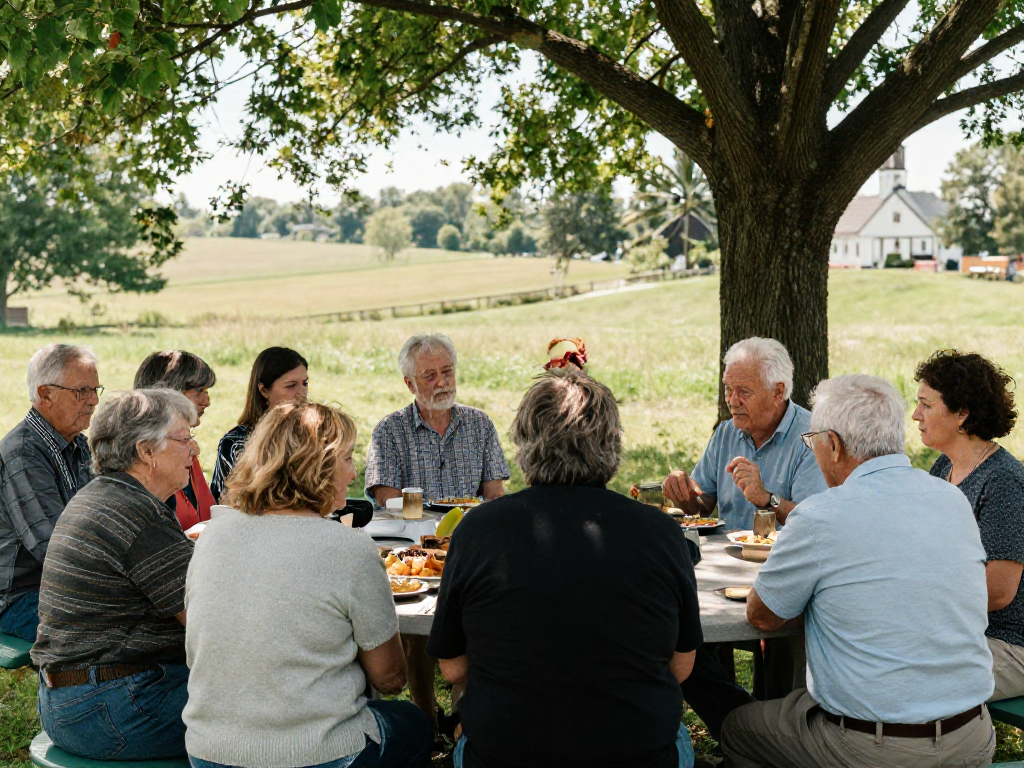
Understanding Mennonite Doctrine
Mennonite doctrine is a rich tapestry woven from centuries of history, belief, and practice within the Christian faith. Originating in the 16th century as part of the Radical Reformation, Mennonites have established a unique identity that emphasizes peace, community, and simplicity. To navigate the complexities surrounding this doctrine, it’s essential to understand its historical context and its evolution over time. Resources like mennonite doctrine provide comprehensive insights into this fascinating subject.
What is Mennonite Doctrine and Its Historical Background?
The term "Mennonite" derives from Menno Simons, a Dutch religious leader whose teachings significantly influenced the development of Anabaptism. This movement arose during a period of significant upheaval and reform within Christianity. Mennonite doctrine emphasizes a personal faith experience, believers' baptism, and a commitment to nonviolence and community living. Over the centuries, various Mennonite groups have emerged, each contributing to the diversity of belief and practice within the broader Mennonite community.
Core Beliefs of the Mennonite Faith
At the heart of Mennonite doctrine are several core beliefs:
- Believers' Baptism: Mennonites practice baptism for individuals who can consciously affirm their faith, typically in late adolescence or adulthood.
- Nonviolence: A commitment to peace and non-resistance is foundational, based on Jesus' teachings to love enemies and refrain from violence.
- Community and Discipleship: Living in community and mutual accountability is essential, as faith is often expressed through communal life.
- Simplicity and Stewardship: Mennonites strive for a simple lifestyle, prioritizing stewardship of resources and the environment.
Differences Between Mennonite and Other Christian Denominations
Mennonite beliefs diverge from many mainstream Christian denominations in significant ways. For instance, unlike many Protestant groups that emphasize individual salvation, Mennonites stress the importance of community and collective faith practice. Additionally, the Mennonite stance on nonviolence and pacifism sets them apart from denominations that may endorse military service or violence in certain contexts. This unique perspective often leads to misunderstandings and misconceptions about their faith.
Key Principles of Mennonite Doctrine
The Role of Nonviolence in Mennonite Beliefs
Nonviolence in Mennonite doctrine is not merely a passive stance but an active commitment to peacebuilding. This principle is rooted in the life and teachings of Jesus Christ, emphasizing reconciliation and conflict resolution. Mennonites engage in various peace initiatives, often collaborating with interfaith organizations to promote understanding and prevent violence.
Faith and Community: The Pillars of Mennonite Life
Community living is integral to Mennonite faith. Believers are encouraged to support one another, embodying Christ's love through practical acts of service. Regular gatherings for worship, fellowship, and study reinforce communal ties and foster a spirit of mutual encouragement. This communal aspect is seen as a reflection of the early Christian church, where believers shared all things in common.
Understanding the Sacraments in Mennonite Tradition
Mennonites traditionally recognize two primary sacraments: baptism and the Lord's Supper (or communion). Baptism symbolizes one’s commitment to Christ and the community of faith, while the Lord's Supper serves as a reminder of God's grace and the believer's unity with Christ and fellow believers. The frequency and manner of these practices can differ among congregations, reflecting their unique traditions and interpretations.
Mennonite Doctrine in Daily Life
Implementing Mennonite Values in Modern Society
Mennonites strive to embody their values in everyday life, influencing how they interact with the world. This includes prioritizing ethical consumerism, advocating for social justice, and engaging in ecological stewardship. By living out their beliefs, Mennonites seek to be witnesses of God’s love in both their local communities and the broader society.
Education and Training Within the Mennonite Community
Education plays a vital role in the Mennonite community, emphasizing not just academic learning but also spiritual and character development. Many Mennonite congregations operate schools that focus on instilling values of service, humility, and faithfulness. This educational foundation prepares younger generations to understand and live out their doctrine in a rapidly changing world.
How Mennonites Practice Simplicity and Stewardship
Simplicity is a hallmark of Mennonite living, reflecting their belief in living with less to focus more on relationships and community. Mennonites often emphasize sustainable living practices, such as gardening and using resources judiciously. This stewardship is not solely about conservation but also about ensuring that future generations inherit a healthy planet.
Challenges and Misunderstandings
Common Misconceptions About Mennonite Beliefs
Many misconceptions about Mennonites stem from their distinctive lifestyle and practices. For example, people often confuse Mennonites with Amish communities due to their plain dress and emphasis on community. However, while both groups share historical roots, Mennonites generally engage more with modern technology and society.
Navigating Modern Issues: Technology and Tradition
Mennonites face challenges in balancing tradition with the demands of modern life, particularly concerning technology. While some congregations adopt technology for communication and education, others are wary, fearing it may disrupt community ties. This ongoing dialogue reflects their commitment to maintaining a faithful witness in a rapidly changing world.
Addressing Questions of Inclusivity and Diversity
As society evolves, so too do questions of inclusivity within Mennonite congregations. Engaging with issues of race, gender, and sexual orientation requires thoughtful dialogue rooted in their core values of love and acceptance. Many congregations are actively working to embrace a more inclusive approach while staying true to their theological beliefs.
Future of Mennonite Doctrine in 2026 and Beyond
Emerging Trends Within Mennonite Communities
Looking towards 2026, several trends are emerging within Mennonite communities. These include increased interfaith dialogue, active participation in social justice movements, and a growing emphasis on mental health awareness. Such trends reflect a desire to engage more fully with contemporary issues while maintaining their doctrinal integrity.
Engaging with Broader Society: Mennonite Outreach Programs
Mennonite communities are increasingly involved in outreach programs that bridge the gap between their faith and the wider society. These initiatives often focus on community service, disaster relief, and support for marginalized groups. By engaging with broader societal issues, Mennonites aim to reflect their commitment to serving others as a demonstration of their faith.
Preparing for Future Generations: Education Strategies
To ensure that future generations understand and embrace Mennonite doctrine, there is a growing emphasis on innovative education strategies. This includes integrating technology in meaningful ways, fostering critical thinking, and encouraging youth participation in service projects. By doing so, Mennonites hope to nurture a sense of responsibility and commitment to their faith in a rapidly changing world.
What are the core principles of Mennonite doctrine?
The core principles include believers' baptism, a commitment to nonviolence, community living, and stewardship. These principles guide not only the faith of Mennonites but also their daily practices and interactions with others.
How does Mennonite doctrine influence community living?
Mennonite doctrine profoundly influences community living by emphasizing shared responsibilities and mutual support among members. This collectivist approach fosters a sense of belonging and accountability, essential to the faith.
What are the challenges faced by Mennonite congregations today?
Contemporary challenges include navigating modern technology, addressing inclusivity, and overcoming misconceptions about their beliefs and practices. These issues require thoughtful engagement and a commitment to dialogue within and outside the community.
In what ways can understanding Mennonite doctrine benefit non-Mennonites?
Understanding Mennonite doctrine can benefit non-Mennonites by offering insights into alternative lifestyles that prioritize peace, community, and stewardship. This understanding can foster mutual respect and collaboration across different belief systems.
How is Mennonite doctrine adapting to modern society?
Mennonite doctrine is adapting by engaging with contemporary issues such as social justice, mental health, and technology. This evolution reflects a desire to remain relevant while remaining true to their foundational beliefs.