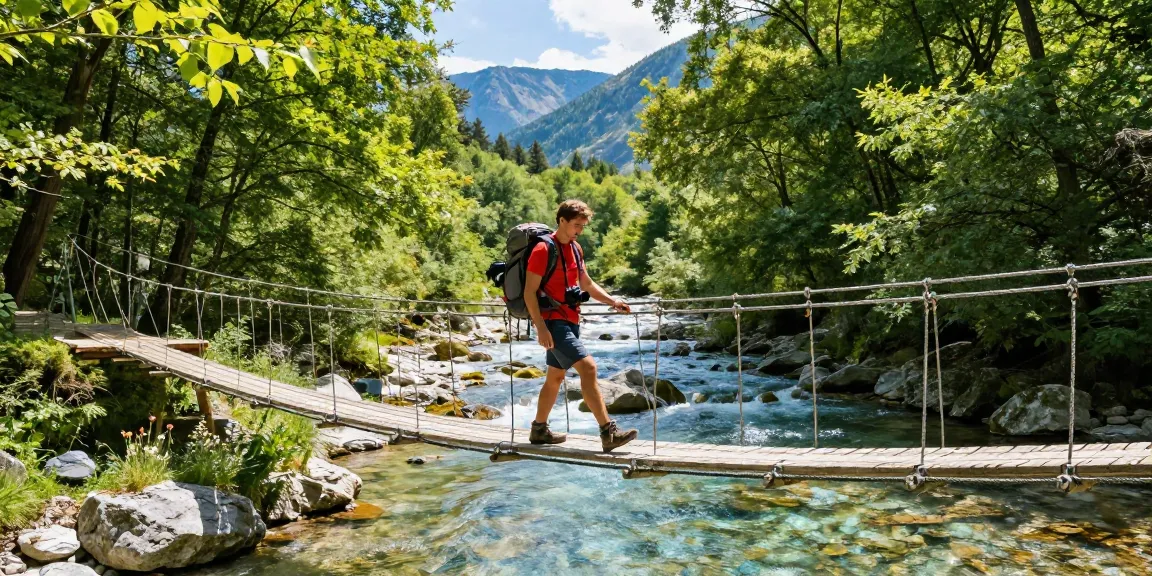
Understanding River Rope Bridges
River rope bridges have captured the imagination of adventurers and architects alike, blending nature with ingenuity. These structures not only serve a practical purpose—facilitating passage over bodies of water—but also embody cultural significance and traditional craftsmanship. As we explore the multifaceted world of river rope bridges, we will delve into their historical roots, the materials employed, and the evolving designs that cater to modern needs. For those looking to discover more about building or installing a river rope bridge, River Rope Bridge offers invaluable insights.
What is a River Rope Bridge?
A river rope bridge is a suspension bridge that uses ropes and cables to support a pathway across a river. These bridges can vary in design, spanning from basic crossings with minimal materials to elaborate structures featuring intricate designs and robust safety features. The essence of a river rope bridge lies in its ability to provide stability and support while enabling people to traverse challenging terrains.
History and Cultural Significance of Rope Bridges
The history of rope bridges stretches back centuries, with many cultures developing their designs to suit local conditions. In the Andes, the Inca civilisation constructed grass rope bridges, which exemplified their advanced engineering skills. Today, these bridges are celebrated not just for their functionality but also as symbols of the communities that built them. From the Carrick-a-Rede rope bridge in Northern Ireland to the Q'eswachaka bridge in Peru, these structures tell stories of resilience and ingenuity passed down through generations.
Materials Used in Construction
The construction of river rope bridges typically involves a range of materials, with the choice influenced by environmental conditions and intended usage. Common materials include:
- Rope: Natural fibres such as coir or synthetic options like nylon are often utilised for their strength and flexibility.
- Wood: Timber is frequently used for the bridge deck and supports, providing a solid foundation.
- Metal Components: Steel cables and fittings enhance durability and load-bearing capacity, making them essential in modern designs.
- Anchoring Systems: These are crucial for stability, often employing concrete or steel to secure the bridge at either end.
Types of River Rope Bridges
Understanding the various types of river rope bridges can help you determine which design best suits your needs, whether it’s for a community project, recreational use, or personal adventure. Each type has its unique characteristics and construction considerations.
Traditional vs Modern Designs
Traditional river rope bridges often embody cultural heritage, showcasing techniques developed over generations. These designs may prioritise aesthetic appeal and local materials. In contrast, modern designs frequently integrate advanced engineering principles and materials, allowing for longer spans and greater load capacities. This evolution reflects not only changing technologies but also growing awareness of safety and environmental impact.
Customisable Options for Personal Projects
When considering a river rope bridge for personal projects, there are abundant customisation options available. Homeowners and developers can choose from different materials, designs, and even colour schemes to create a bridge that blends seamlessly into its environment. Various kits are available for DIY enthusiasts, allowing for personalised touches while ensuring safety standards are met.
Environmental Considerations in Design
Designing a river rope bridge requires careful consideration of the surrounding environment to minimise ecological disruption. Key factors to consider include:
- Location: Selecting a site that avoids sensitive habitats ensures the protection of local wildlife.
- Material Sustainability: Using renewable materials and minimising waste during construction can lessen the ecological footprint.
- Natural Flow: Designing the bridge to accommodate the natural flow of water reduces the risk of erosion and maintains ecosystem health.
Building Your Own River Rope Bridge
Building a river rope bridge is a rewarding project that requires thorough planning and execution. Whether for personal use or community engagement, here is how you can approach the construction process effectively.
Essential Planning and Safety Measures
Before constructing a river rope bridge, it is imperative to carry out detailed planning. This includes assessing:
- Site Conditions: Understanding the river's width, depth, and current strength is vital for structural integrity.
- Safety Regulations: Familiarise yourself with local regulations regarding construction and safety standards.
- Permits: Ensure you obtain any necessary permits to commence building safely and legally.
Step-by-Step Construction Guide
The construction process typically follows these steps:
- Design the bridge: Create a detailed plan that includes measurements and material specifications.
- Gather materials: Ensure you have all necessary materials on-site before beginning construction.
- Prepare the site: Clear the area for the bridge’s foundation, ensuring that it will securely anchor the structure.
- Construct the bridge: Follow your design to assemble the bridge, ensuring proper tension in the ropes and stability of the deck.
- Inspect: Conduct a thorough inspection focusing on stability and safety before allowing use.
Budgeting for Materials and Tools
Budgeting is a crucial part of building a river rope bridge. Costs may vary significantly based on design complexity, materials chosen, and any additional features like lighting or decorative elements. Here are some factors to consider:
- Material Costs: Calculate the expected costs for wood, rope, metal components, and any additional materials.
- Tool Rental or Purchase: If specific tools are required, factor in renting or purchasing these items.
- Labour Costs: If enlisting help for construction, account for any labour fees associated with the project.
Maintaining and Inspecting Your Bridge
Once your river rope bridge is complete, ongoing maintenance is essential to ensure safety and longevity. Regular inspections can identify potential issues before they become serious hazards.
Routine Maintenance Practices
Establishing a routine maintenance schedule can prolong the life of your bridge. Important practices include:
- Visual Inspections: Regularly check for signs of wear on ropes, cables, and the deck.
- Cleaning: Remove debris and vegetation that may accumulate and hinder structural integrity.
- Tightening: Inspect and tighten any loose components to maintain stability.
Identifying Potential Safety Hazards
Identifying safety hazards is crucial for a safe crossing. Watch for:
- Rope Wear: Inspect ropes for fraying or significant wear that could compromise safety.
- Structural Integrity: Look for signs of warping in the deck or supports that may indicate weakness.
- Environmental Changes: Heavy rains or floods may alter river conditions, necessitating further inspections.
Best Practices for Longevity
To ensure the longevity and continued safety of your river rope bridge, consider implementing the following best practices:
- Weatherproofing: Use treatments to protect wooden components from moisture and pests.
- Community Engagement: Encourage local communities to participate in maintenance checks to foster a sense of ownership.
- Education: Educate users about safe crossing practices and the importance of respecting the structure.
The Future of River Rope Bridges
The future of river rope bridges looks promising, with innovative designs and sustainable building practices on the rise. As environmental awareness grows, the designs will also evolve.
Emerging Trends in Bridge Design
Emerging trends include:
- Eco-friendly Materials: Increasing use of sustainable and recycled materials in bridge construction.
- Smart Technology: Incorporating sensors to monitor structural integrity in real-time.
- Modular Designs: Simplifying construction with modular components that can be assembled on-site.
Technological Innovations and Sustainability
Innovations like augmented reality for design simulations and drones for inspections are becoming increasingly common. These technologies enhance efficiency, reduce costs, and improve safety outcomes.
Community Engagement in Bridge Projects
Engaging local communities in the planning and construction phases fosters greater appreciation and care for these structures. Community workshops can educate participants about the importance of bridge design and environmental stewardship.
What are those rope bridges called?
Often known as suspension bridges, rope bridges typically feature a series of ropes or cables that support the walkway spanning a gap, such as a river.
How much does a rope bridge cost?
The cost of a rope bridge can vary widely based on its size, materials, and design complexity. Basic constructions might start from a few thousand pounds, while more extensive, custom-designed bridges could cost tens of thousands.
Where is the best place to find a River Rope Bridge?
Many renowned river rope bridges can be found across the globe. Popular locations include the Carrick-a-Rede Rope Bridge in Northern Ireland and the Q’eswachaka Bridge in Peru.
How to safely cross a river using a rope?
To safely cross a river using a rope, ensure there is a securely anchored rope across the river. One person can cross first, anchoring the rope on the opposite bank. Participants should cross one by one, using the rope for balance and stability.
What are some popular River Rope Bridge locations?
Some famous locations include:
- The Carrick-a-Rede Rope Bridge, Northern Ireland
- The Q'eswachaka Bridge, Peru
- The Husein Sastranegara Bridge, Indonesia
- The Canopy Walkway, Ghana