Understanding SHASHEL® Technology for Pest Control
In today’s eco-conscious world, the demand for effective and environmentally friendly pest control solutions has never been higher. SHASHEL® has emerged as a revolutionary technology designed to tackle persistent wood-boring insects such as woodworms, longhorn beetles, and powderpost beetles. Utilizing microwave technology, SHASHEL® offers a chemical-free method that not only eliminates these pests but also prevents future infestations, making it an ideal choice for homeowners and professionals alike. When exploring options, SHASHEL® provides comprehensive insights into its innovative and efficient pest control solutions.
What is SHASHEL® Microwave Technology?
SHASHEL® technology is at the forefront of pest control innovation, employing microwaves to exterminate wood-boring insects effectively. This method harnesses the power of controlled microwave energy to safely penetrate wooden structures, causing lethal heat effects on pests while preserving the integrity of the wood itself. Unlike traditional chemical treatments, which can leave harmful residues, SHASHEL® focuses on a non-toxic solution that is safe for both users and the environment.
How SHASHEL® Works to Eliminate Wood-Boring Insects
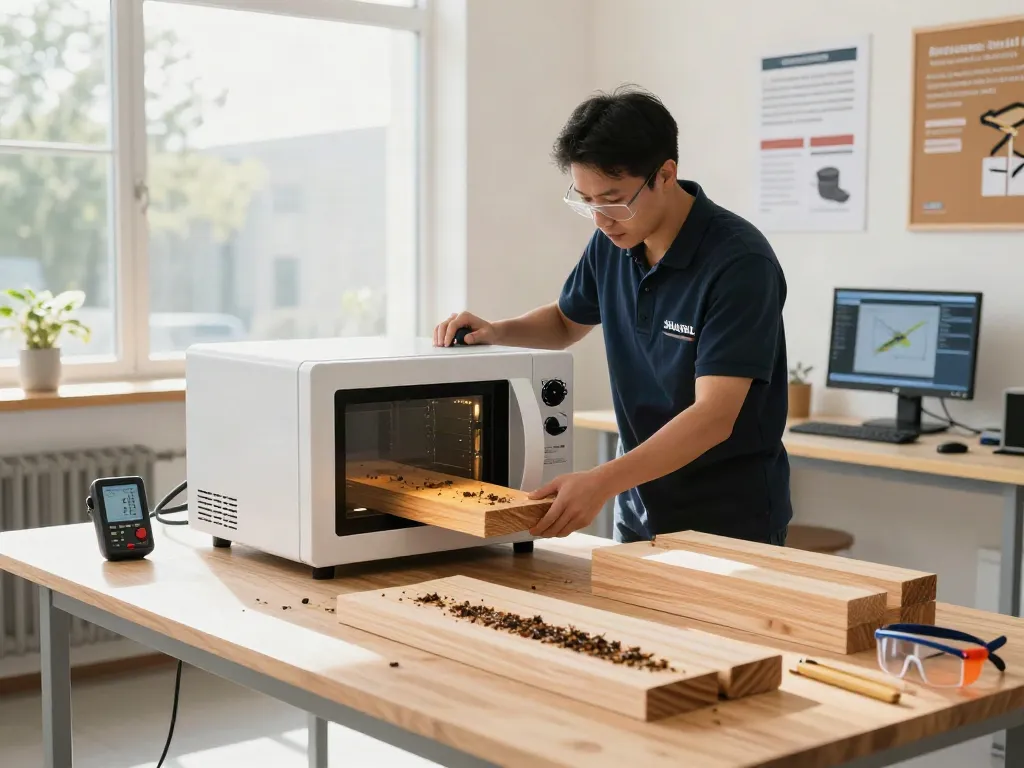
The process of eliminating wood-boring insects with SHASHEL® is remarkably straightforward yet highly effective. When the SHASHEL® equipment is activated, it generates microwaves that agitate water molecules in the wood, creating heat that penetrates deeply into the material. This heat is sufficient to kill all life stages of wood-boring insects, including eggs, larvae, and adult beetles. The quick action of this method means that infestations can be resolved within minutes, making it a time-efficient solution.
Benefits of Using SHASHEL® Over Traditional Methods
- Chemical-Free Solution: The absence of pesticides makes SHASHEL® a safe choice for indoor environments, especially for families with children and pets.
- Rapid Results: The quick extermination time is a significant advantage, allowing for immediate remediation of pest problems.
- Enhanced Wood Integrity: Unlike chemical treatments that may weaken wood over time, SHASHEL® preserves the structural integrity of wooden materials.
- Eco-Friendly: SHASHEL® aligns with the growing trend of sustainability, minimizing environmental impact.
Identifying Wood Damage and Infestations
Detecting woodworm infestations early is crucial for successful pest management. Property owners should be vigilant in inspecting their homes for signs of damage. Understanding what to look for can save significant costs associated with extensive wood repairs.
Signs of Woodworm Infestation in Your Home
Woodworm infestations can often go unnoticed until they cause substantial damage. Here are some telltale signs to watch for:
- Fine Dust: Look for tiny wood particles or frass near wooden surfaces, a clear indication of wood-boring insect activity.
- Holes in Wood: Small exit holes (often about the size of a pinhead) in wood are a direct sign of adult beetles emerging.
- Decreased Structural Integrity: A feeling of sponginess or hollow sounds when tapping on affected wood can signal severe infestation.
Evaluating Damage Severity: When to Seek Professional Help
Determining the severity of wood damage requires careful evaluation. If you encounter multiple signs of infestation or extensive structural damage, it may be time to consult with a pest control professional. They can conduct a thorough inspection and outline the best treatment options, including the potential use of SHASHEL® technology.
Common Misconceptions About Wood Treatment
Misconceptions can lead to ineffective treatment approaches. Some of the common myths include:
- All treatments are toxic: Many believe that effective treatments must involve chemicals. SHASHEL® proves that safe, eco-friendly options exist.
- DIY methods are always sufficient: While some DIY methods may provide temporary relief, they often do not address the root of the problem compared to professional solutions like SHASHEL®.
Implementing SHASHEL® Solutions
Utilizing SHASHEL® equipment requires understanding its operation and implementing best practices for optimal results. Below is a guide to effectively using this innovative pest control technology.
Step-by-Step Guide to Using SHASHEL® Equipment
Using SHASHEL® equipment is straightforward and involves several key steps:
- Preparation: Clear the area around the infested wood and ensure that the SHASHEL® unit has adequate space to operate.
- Setup: Follow the manufacturer’s instructions to set up the equipment correctly and check that all safety protocols are in place.
- Application: Activate the equipment and monitor the process, ensuring that the microwaves penetrate the wood thoroughly.
- Post-Treatment Inspection: After treatment, inspect the wood for signs of residual activity and confirm that the infestation has been eradicated.
Best Practices for Safe Application
To maximize the effectiveness of SHASHEL® technology while ensuring safety, consider the following practices:
- Always wear appropriate personal protective equipment (PPE) when operating the machinery.
- Keep pets and children away from the treatment area during the process.
- Do not operate the equipment in environments where flammable materials are present.
Real-World Case Studies: Success Stories with SHASHEL®
Numerous success stories highlight the effectiveness of SHASHEL® technology. For instance, a historical restoration project in Europe utilized SHASHEL® to rid an ancient wooden structure of long-standing woodworm infestations without compromising its integrity. The results were immediate, showcasing the technology's ability to blend advanced pest control with historical preservation.
Future Trends in Pest Control Technology
The pest control industry is evolving rapidly, driven by advancements in technology and a growing emphasis on environmental sustainability. As we look towards 2026, several key trends are emerging.
Innovations in Microwave Technology for 2026
Future developments in SHASHEL® and similar technologies are expected to enhance efficiency and effectiveness. Innovations may include:
- Improved Energy Efficiency: Newer models may offer better energy consumption rates, making them more cost-effective for consumers.
- Enhanced Detection Systems: Integration of smart technologies that can detect infestations before they become visible.
Environmental Impact and Sustainability of SHASHEL®
SHASHEL® represents a significant step toward more sustainable pest control solutions. As regulations around chemical usage become stricter, technologies like SHASHEL® will continue to gain traction for their ability to provide effective pest management without compromising environmental health.
Predictions for Pest Control Industry Developments
As we move forward, the pest control industry is likely to see increased investment in innovative solutions. Companies that prioritize eco-friendly practices and user-friendly technologies, like SHASHEL®, will likely lead the market. With consumers becoming more environmentally aware, these companies will be ideally positioned for future growth.
Frequently Asked Questions
How effective is SHASHEL® compared to chemical treatments?
SHASHEL® has been proven to be highly effective in eliminating wood-boring insects, often outperforming traditional chemical treatments. Its rapid action and ability to target all life stages of the pests set it apart as a superior choice for pest control.
Is SHASHEL® equipment easy to operate for homeowners?
Yes, SHASHEL® equipment is designed for ease of use. With clear instructions and intuitive controls, homeowners can effectively employ the technology to manage infestations with minimal training.
What safety measures should I take when using SHASHEL®?
When using SHASHEL®, always wear personal protective equipment (PPE) and ensure that the area is free from children and pets. Follow the manufacturer's safety guidelines to minimize risks during operation.
Can SHASHEL® be used on all types of wood?
SHASHEL® is versatile and can be used effectively on most types of wood. However, it is advisable to check compatibility with specific wood types, especially delicate or antique wood.
What are the maintenance requirements for SHASHEL® equipment?
Regular maintenance involves keeping the equipment clean and inspecting it for wear and tear. Following the manufacturer's maintenance guidelines will ensure longevity and optimal performance of the SHASHEL® system.