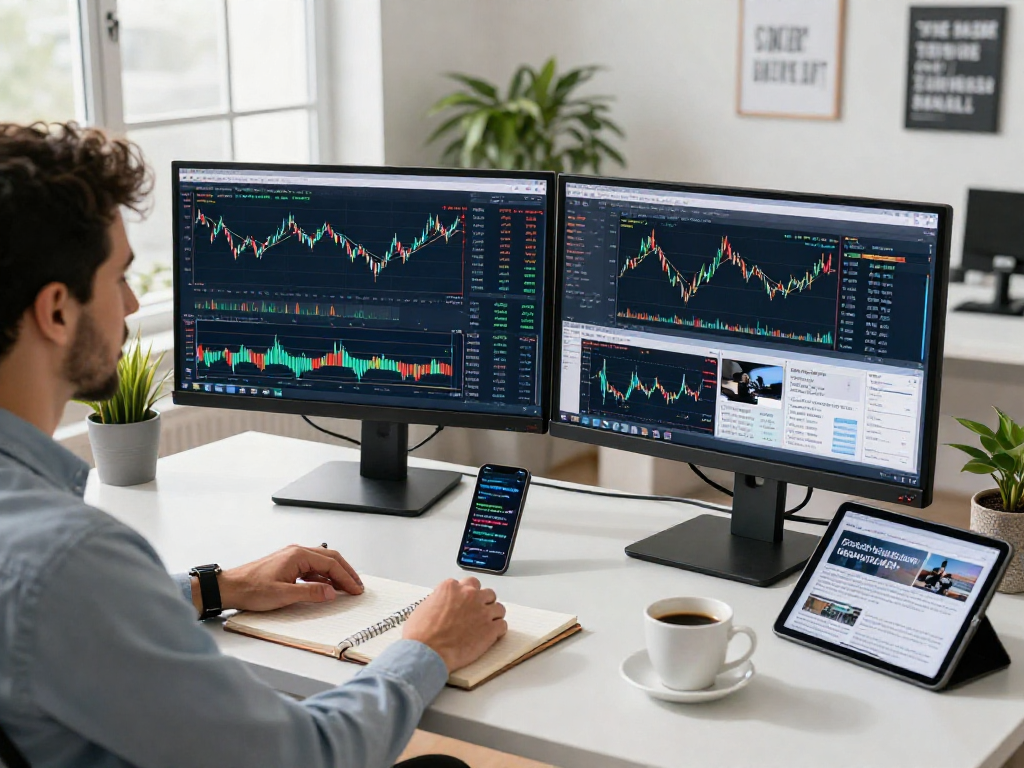
Understanding the Futures API and Its Importance in Trading
The financial landscape is rapidly evolving, and the integration of blockchain technology is at the heart of this change, bringing unprecedented innovation to the world of trading. One critical development is the emergence of Futures APIs, which provide comprehensive data essential for executing informed trading decisions across global markets. A Futures API allows traders, developers, and researchers to access real-time quotes, market depth, and analytical data critical for navigating complex trading environments. When exploring options, 期货行情API provides comprehensive insights into this dynamic market, enhancing decision-making and strategy formulation.
What is a Futures API?
A Futures API is a programming interface that allows users to connect software applications to futures markets. This API provides real-time market data, including price quotes, market depth, bid-ask spreads, open interest, and trading volume. By utilizing a Futures API, developers can create applications that automate trading, perform technical analysis, and support algorithmic trading strategies. This data is particularly vital for quantitative traders who rely on precise analytics to execute trades effectively.
Key Features of a Futures API
- Real-Time Market Data: Access to live price feeds, including tick-by-tick updates.
- Market Depth and Volume: Comprehensive insights into order books and market liquidity, crucial for strategic trading.
- Open Interest Tracking: Monitoring open contracts to discern market sentiment and potential price movements.
- Multi-Exchange Coverage: Ability to pull data from multiple platforms like CME, ICE, and SHFE.
- Level 2 Data: Detailed market two-way pricing feeds to analyze best bid and ask across multiple orders.
Role in Algorithmic Trading
Algorithmic trading has revolutionized the financial markets, enabling traders to execute complex strategies at high speeds. Futures APIs are integral to this approach, providing the necessary data for developing and testing algorithms. By automating decisions based on real-time data inputs, traders can respond promptly to market changes, optimizing their trading performance and minimizing risks associated with manual transactions. Furthermore, the ability to backtest algorithms against historical data strengthens the robustness of trading strategies in volatile markets.
Implementing Real-Time Data in Your Trading Strategies
Integrating real-time data into trading strategies is essential for making quick, informed decisions in the fast-paced futures market. As traders increasingly turn to futures trading, leveraging technology through data APIs becomes a cornerstone of effective market engagement.
Accessing Real-Time Market Data
Accessing real-time market data through a Futures API allows traders to effectively capitalize on short-lived market opportunities. This live data feed gives traders the ability to observe price movements as they occur, facilitating timely entry and exit points for trades. In addition, traders can utilize price alerts and automated trading systems that respond to specific conditions, enhancing their efficiency and accuracy in executing trades.
Analyzing Market Depth and Volume
Understanding market depth and volume can provide traders with insights into market liquidity and potential price movements. Utilizing Level 2 market data enables traders to visualize how orders are queued at various price levels, offering a clearer perspective on market sentiment. This analysis can be pivotal for predicting price spikes or dips based on buyer and seller activity, thus guiding traders in optimizing their entry and exit strategies.
Utilizing Tick-by-Tick Data
Tick-by-tick data represents the most granular level of market information, capturing each price change in real time. For high-frequency traders and algorithmic strategies, this type of data is invaluable as it enables minute-by-minute trend tracking. By analyzing tick data, traders can devise strategies based on micro-patterns that may yield profitable opportunities otherwise missed in traditional candlestick or OHLC (Open-High-Low-Close) analysis.
Deep Dive into Market Sectors Covered by Futures APIs
The scope of Futures APIs is extensive, covering several key sectors of the commodities markets. Each sector presents unique trading opportunities and risk profiles, making it critical to understand their fundamentals and market dynamics.
Energy Markets
The energy sector encompasses a range of futures contracts including oil, natural gas, and renewable energy sources. Trading in this sector requires an awareness of geopolitical influences, regulatory changes, and technology advancements, such as the transition towards renewable energy. Futures APIs provide the requisite data to keep track of these dynamic factors influencing prices, enabling traders to make informed decisions.
Metals Trading Insights
Metals such as gold, silver, platinum, and copper are vital commodities that are extensively traded. Market dynamics for these metals can be driven by various factors including economic indicators, currency fluctuations, and global market trends. Futures APIs allow traders to analyze historical data, spot price movements, and macroeconomic factors that may impact metal prices, refining their trading strategies for maximum profitability.
Agricultural Futures Analysis
Agricultural commodities like corn, soybeans, wheat, and livestock are affected by seasonal changes and weather patterns. Futures APIs can provide traders with critical insights into supply and demand fluctuations as well as impact from natural disasters or policy changes in major producing nations. This data enables traders to proactively adjust their positions based on anticipated market movements.
Security Measures and Best Practices for Using APIs
While utilizing Futures APIs offers numerous advantages, it is essential to prioritize security to protect valuable trading information and prevent unauthorized access. Traders must adopt robust security measures to maintain the integrity and confidentiality of their data.
Protecting Your API Keys
Your API key is a critical piece of information that grants access to your trading account and data. Protecting this key is paramount; follow best practices such as securing it in an encrypted environment, using environment variables, and never hard-coding it into publicly accessible code. Regularly rotate API keys to minimize risks associated with potential data breaches.
Understanding Data Privacy Regulations
Compliance with data privacy regulations is crucial for maintaining the security and confidentiality of user data. Regulations such as the General Data Protection Regulation (GDPR) or the California Consumer Privacy Act (CCPA) impose strict guidelines on how personal data is collected, used, and stored. Traders should ensure that their data practices align with these regulations to avoid penalties and protect user trust.
Avoiding Common API Security Threats
Common API security threats include man-in-the-middle attacks, DDoS (Distributed Denial of Service) attacks, and unauthorized access attempts. Employing SSL/TLS for data transmission and validating API requests helps safeguard against these vulnerabilities. Additionally, using rate limiting can mitigate DDoS threats, ensuring your trading operations remain uninterrupted.
Future of Trading in 2026 and Beyond
As technology continues to evolve, the landscape of trading will undergo significant transformations. The integration of advanced technologies such as AI, machine learning, and blockchain will drive these changes, leading to more sophisticated trading environments.
Emerging Trends in Futures Trading
The future of futures trading will likely be characterized by increased automation and integration of machine learning algorithms that analyze market data and execute trades. Real-time analytics and predictive tools will provide traders with insights that enhance decision-making, while the adoption of blockchain technology will ensure greater transparency and security in transaction processing.
The Impact of Decentralized Finance
Decentralized finance (DeFi) is poised to disrupt traditional futures trading by providing decentralized exchanges (DEXs), lending platforms, and yield farming opportunities. These platforms leverage smart contracts to facilitate transactions without intermediaries, enhancing liquidity, lowering costs, and fostering inclusivity in the trading ecosystem.
Regulatory Changes Affecting Futures Markets
As the derivatives market evolves, so too does the regulatory landscape. Traders must stay informed of regulations from authoritative bodies like the SEC and CFTC, as they adapt to the rapid changes brought by digital assets and cryptocurrencies. Compliance with updated rules covering trading, taxation, and consumer protections will be crucial for sustained success in the futures market.
Security Threats & Risk Management
With the growing reliance on technology in trading, the security of trading platforms and data integrity remain paramount concerns. Understanding and mitigating security threats will be essential for protecting investments and ensuring safe trading practices.
Common Security Threats
- Phishing attacks: Malicious actors may attempt to obtain sensitive information by masquerading as trustworthy platforms.
- Sim-swap attacks: These involve unauthorized access to a mobile phone number to intercept two-factor authentication codes.
- Malware: Software designed to infiltrate systems can compromise security, enabling unauthorized access to sensitive data.
- Fake ICOs: Scams that represent fraudulent opportunities to invest in non-existent projects.
Providing Risk Mitigation Strategies
- Due diligence: Conduct thorough research on trading platforms and potential investments before committing funds.
- Red flag identification: Be vigilant about signs of scams, including overly high returns and lack of transparency.
- Community reputation: Engage with online communities to learn about the experiences of other users and assess project reliability.
- Investment approach: Consider a gradual investment strategy that allows you to test trades in smaller amounts before scaling.
Content Quality & Depth
Providing quality educational content on Futures APIs involves balancing technical depth with accessibility for diverse audiences. The importance of clear explanations cannot be overstated, as the financial markets can often be difficult to navigate without prior knowledge.
Explaining Complex Concepts
Using analogies and straightforward language to break down complicated subjects like blockchain technology or algorithmic trading can enhance understanding among readers. For instance, comparing blockchain to a digital ledger simplifies its purpose and function, making it relatable. Such efforts are necessary for fostering an informed trading community that can confidently engage with advanced trading strategies.
Offering Actionable Strategies
Readers benefit greatly from actionable strategies they can implement in their trading. This can range from setting up risk management frameworks to utilizing technical analysis tools effectively. Providing case studies or practical examples further enhances the educational value, making theoretical concepts tangible.
SEO Optimization
In an increasingly competitive online landscape, implementing effective SEO practices is essential for content visibility. By incorporating relevant keywords within the text and headings, the likelihood of engagement increases, driving organic traffic from interested users.
Incorporating 期货行情API and Related Keywords
Naturally embedding the focus keyword 期货行情API within the article enhances its relevance in search results, while also ensuring the content is informative. Using variations such as “cryptocurrency trading” and “blockchain technology” throughout the text provides contextual depth, attracting a wider audience.
Current Market Trends and Developments
The cryptocurrency landscape is continually evolving, and staying abreast of current trends is crucial. This includes understanding developments in decentralized applications, regulatory changes, and emerging technologies that are reshaping the financial services sector. Being ahead of these trends allows traders to adapt their strategies accordingly, ensuring competitive positioning.
Conclusion
Grasping the nuances of a Futures API is essential for modern traders looking to gain a competitive edge. Understanding real-time data, market dynamics, and the use of proper security measures are fundamental components of a robust trading strategy. As the future of trading unfolds with advancements in blockchain technology and the rise of decentralized finance, traders must remain agile and well-informed, embracing both the opportunities and challenges presented in this exciting market landscape.