Understanding Beyin Tümörü Ameliyatı
Beyin tümörü ameliyatı, diagnosis for both benign and malignant brain tumors, is crucial for improving patient outcomes. As medical technology advances and surgical techniques improve, more patients gain access to effective treatment options. Understanding the complexities of brain tumor surgery can empower patients and their families to make informed decisions during a challenging time. This guide encapsulates essential information about brain tumor surgery, including types of tumors treated, preparation for surgery, surgical procedures, recovery, and potential risks. For comprehensive insights into beyin tümörü ameliyatı, continue reading.
What is Brain Tumor Surgery?
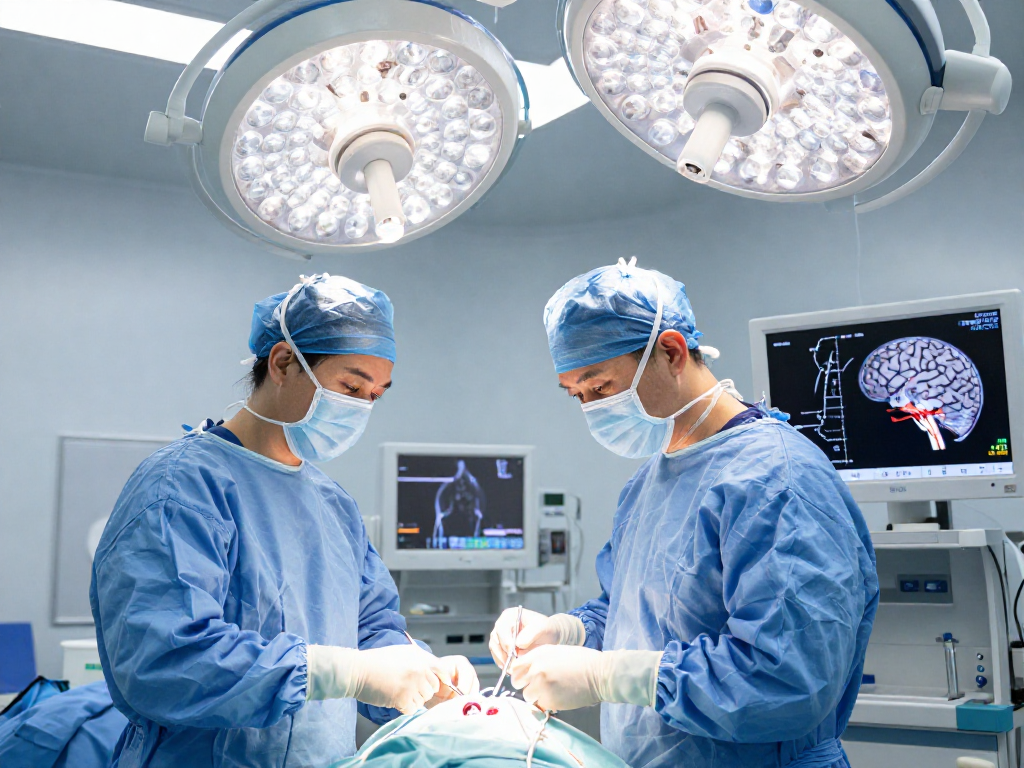
Brain tumor surgery refers to various surgical techniques used to remove tumors located within or on the surface of the brain. Depending on the tumor's type, size, and location, the surgical approach may vary significantly. The primary objective is to remove as much of the tumor as possible while preserving surrounding healthy brain tissue. This delicate balance requires the expertise of a highly skilled neurosurgery team.
Types of Brain Tumors Treated
Brain tumors can be classified into several categories, each requiring a different treatment approach. Common types include:
- Meningiomas: Typically arising from the protective membranes surrounding the brain, these tumors are often benign and slow-growing.
- Glial tumors: Including astrocytomas, oligodendrogliomas, and glioblastomas, these tumors originate from the brain's glial cells and can be aggressive.
- Metastatic tumors: These tumors originate from cancer elsewhere in the body and spread to the brain. Common sources include breast, lung, and kidney cancers.
Key Surgical Techniques and Advances
The landscape of brain tumor surgery has evolved significantly, incorporating advanced techniques and technologies. Key innovations include:
- Mri-guided surgery: Utilizing high-resolution imaging aids in precise tumor localization.
- Neuro-navigation systems: Facilitating accurate targeting of tumors while avoiding critical brain structures.
- Awake craniotomy: Involving the patient being awake during the surgery to monitor brain function in real-time.
Preparing for Surgery
Pre-operative Assessments and Imaging
Preparation for brain tumor surgery begins with comprehensive pre-operative assessments. This typically includes a thorough neurological examination, imaging studies (e.g., MRI or CT scans), and blood tests. These evaluations help determine the tumor's size, location, and potential impact on surrounding brain tissues, allowing the surgical team to devise an optimal surgical plan.
Patient Education and Expectations
Patient education is paramount in alleviating any anxiety associated with the surgery. Understanding what to expect before, during, and after the operation can empower patients. This involves discussions about the surgical procedure, potential risks, and recovery outlook.
Avoiding Common Misconceptions
Many misconceptions surround brain surgery, from fears about anesthesia to concerns about the surgical process itself. It is vital for patients and their families to engage with the healthcare team, ask questions, and clarify any doubts to ensure a smooth pre-operative experience.
The Surgical Procedure
Step-by-Step Overview of the Surgery
The surgery typically starts with the patient being brought into the operating room where the anesthesia team ensures the patient is comfortable and secure. The steps generally include:
- Positioning: The patient is carefully positioned to maximize access to the tumor while minimizing pressure on the brain.
- Incision and Craniotomy: A small incision is made in the scalp, and a section of the skull (the cranium) is temporarily removed to access the brain.
- Tumor Resection: The neurosurgeon carefully removes the tumor using microscopic instruments and advanced imaging techniques.
- Closure: Once the tumor has been removed, the skull is replaced, and the incision is stitched closed.
Advanced Techniques in Brain Surgery
Incorporating technologies such as intraoperative MRI or ultrasound enhances surgical precision. These tools allow the surgical team to visualize the tumor and surrounding structures in real-time. When applicable, surgeons may utilize minimally invasive approaches to reduce recovery time and complications.
Intraoperative Monitoring and Patient Safety
During surgery, patient safety is paramount. The surgical team employs various intraoperative monitoring techniques, including neuro-mapping tools to ensure critical brain functions are preserved. Continuous assessments help avoid damage to essential areas controlling movement, speech, and other functions.
Post-Operative Care and Recovery
Immediate Post-Surgery Monitoring
After surgery, patients are typically moved to a recovery room for immediate monitoring. Vital signs are closely observed, and neurological assessments are conducted to ensure that the patient is stable. Depending on the complexity of the surgery, patients may remain in the hospital for several days to ensure proper recovery.
Pain Management and Rehabilitation
Pain management plays a critical role in recovery. Patients may be prescribed medication to alleviate discomfort and promote healing. Additionally, rehabilitation services such as physical and occupational therapy may be recommended to help patients regain strength and function.
Long-term Follow-up and Support
Following discharge, long-term follow-up with the surgical team is essential. This may include regular imaging studies and neurological assessments to monitor for any signs of recurrence or complications. Support from multidisciplinary teams, including oncologists, rehabilitation specialists, and mental health professionals, is vital for holistic recovery.
Risks and Considerations
Potential Complications of Beyin Tümörü Ameliyatı
While brain tumor surgery is generally safe, several potential complications can arise, including:
- Infection: As with any surgery, infections can occur at the incision site or deeper within the brain.
- Bleeding: Post-operative bleeding can lead to hematomas, requiring further intervention.
- Nerve Damage: There is a risk of damage to nerves controlling vital functions, which can result in speech, movement, or sensory deficits.
Managing Patient Fears and Concerns
Addressing fears and concerns surrounding brain surgery is essential. Open communication with healthcare providers can help demystify the process and provide reassurance. Many patients find comfort in connecting with support groups or speaking with others who have undergone similar experiences.
The Role of Multidisciplinary Teams in Care
Successful outcomes in brain tumor surgery often rely on a multidisciplinary approach, where experts from various fields collaborate to deliver personalized care. This team typically includes neurosurgeons, oncologists, radiologists, nurses, and rehabilitation specialists.
What to Watch for After Surgery?
Patients should remain vigilant for signs of complications following surgery. Symptoms such as severe headaches, persistent nausea, changes in vision, or alterations in consciousness require immediate medical attention.
Is Brain Tumor Surgery Free for Patients?
In many healthcare systems, brain tumor surgery may be covered under health insurance policies, including state-funded programs. For more information, beyin tümörü ameliyatı offers valuable insights. It is essential for patients to understand their specific coverage and any potential out-of-pocket expenses involved.