A Smart Sprinkler Analyst’s Take on Efficient Gardening Techniques in 2026
Understanding Smart Sprinklers: The Future of Efficient Gardening
As water scarcity becomes an increasingly pressing issue, homeowners are turning to innovative solutions to enhance their gardening practices. One such solution is the smart sprinkler system, designed to simplify irrigation and promote sustainable gardening. This article delves into the fundamentals of smart sprinklers, their benefits, and why they represent the future of home gardening.
What is a Smart Sprinkler System?
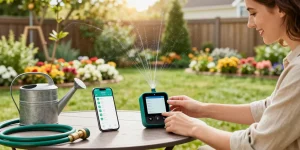
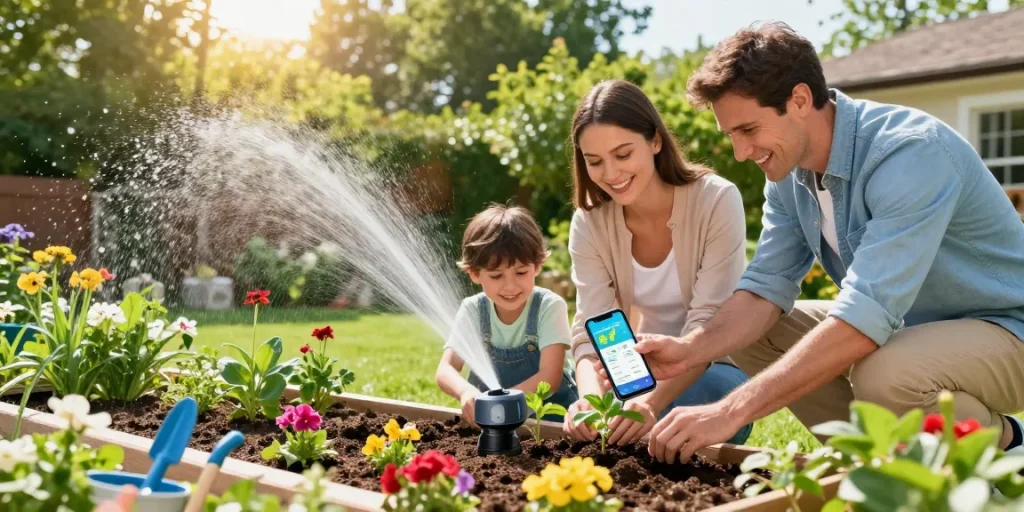
A smart sprinkler system is an advanced irrigation technology that connects to your home Wi-Fi network, allowing you to control it remotely via a smartphone app. Unlike traditional sprinkler systems that operate on a set schedule, smart systems utilize real-time data to adaptively water your garden.
- Weather Data Integration: Smart sprinklers can access local weather forecasts to determine when to water, so you do not waste water during rainy periods.
- Soil Moisture Sensors: These sensors measure the moisture levels in the soil, ensuring that your plants only receive water when truly needed.
- Remote Control: You can adjust schedules, zones, and settings from anywhere using your smartphone, providing flexibility and convenience.
Benefits of Smart Sprinklers for Homeowners
The implementation of a smart sprinkler system can yield numerous advantages for homeowners. From water conservation to increased plant health, the benefits are compelling:
- Water Savings: Studies show that smart sprinklers can reduce water use by up to 50%, making them an eco-friendly choice.
- Time Efficiency: Automated watering schedules mean less time spent on yard maintenance, allowing homeowners to focus on enjoying their outdoor spaces.
- Healthier Plants: By delivering precise amounts of water based on soil conditions, these systems help ensure that plants receive optimal care.
Key Features to Look For
When selecting a smart sprinkler system, consider the following features to maximize its effectiveness:
- Zone Control: Look for systems that allow you to create customized watering schedules for different areas of your garden.
- Mobile App Functionality: A user-friendly app can significantly enhance your experience by providing easy access to settings and monitoring.
- Integration with Other Smart Devices: Compatibility with home automation systems can streamline your gardening efforts.
How Smart Sprinklers Help Save Water
Water conservation is a major concern for many gardeners, and smart sprinkler systems offer innovative techniques to address this challenge. By utilizing technology, these systems can significantly reduce water waste while promoting healthy plant growth.
Water Conservation Techniques
Smart sprinklers employ several techniques to conserve water:
- Adaptive Irrigation: Using weather data and soil moisture levels, smart sprinklers adjust watering schedules accordingly.
- Rain Delay Features: Automatically pause watering when rain is detected, preventing unnecessary water usage.
- Targeted Watering: Systems can be programmed to focus on specific garden areas or types of plants that require different moisture levels.
Comparing Water Usage: Traditional vs. Smart Systems
To understand the efficiency of smart sprinkler systems, it’s essential to compare their water usage with traditional systems:
- Traditional Sprinklers: Operate on a fixed schedule, often leading to overwatering and wasted resources.
- Smart Sprinklers: Use real-time data to determine when and how much to water, resulting in lower overall water consumption.
Real-World Examples of Water Savings
Many homeowners have reported significant water savings after implementing smart sprinkler systems:
- A homeowner with a 2,200-square meter property found that their water costs decreased by 40% after installing a smart sprinkler.
- Another user noted the health of their gardens improved dramatically, with lush, vibrant plants flourishing due to optimized watering practices.
Setting Up Your Smart Sprinkler System
Installing a smart sprinkler system is a straightforward process that can greatly enhance your gardening experience. Here’s a guide to getting started.
Installation Process Overview
Most smart sprinkler systems feature easy installation steps:
- Prepare Your Garden: Assess your landscape and plan where the sprinkler heads will be placed.
- Install the Sprinkler Controller: Follow the manufacturer’s instructions to set up the controller and connect it to your water source.
- Programming Zones: Set up different irrigation zones based on the needs of your plants.
Connecting to Wi-Fi and Mobile Apps
Once installed, connecting your system to Wi-Fi allows you to manage it remotely:
- Download the App: Install the corresponding mobile application on your smartphone.
- Connect to Wi-Fi: Follow the in-app instructions to connect your device to your home network.
- Set Up Notifications: Enable alerts for water consumption and system updates to stay informed.
Best Practices for Programming Your System
To ensure your smart sprinkler operates at peak performance, adhere to these programming tips:
- Seasonal Adjustments: Modify watering schedules based on seasonal weather changes.
- Use Soil Sensors: Integrate soil moisture sensors for real-time data on when to water.
- Regular Maintenance: Conduct periodic system checks to ensure all components are functioning correctly.
Maintaining Your Smart Sprinkler System
To enjoy the full benefits of your smart sprinkler system, regular maintenance is essential. Here are some best practices to ensure longevity.
Routine Checks for Optimal Performance
Conduct regular inspections to keep your system running efficiently:
- Inspect Sprinkler Heads: Ensure that all heads are free from obstructions and functioning properly.
- Check Soil Sensors: Periodically verify that sensors provide accurate moisture readings.
- Monitor Water Pressure: Regularly assess water pressure to avoid damage to the system.
Upgrading Your System for Enhanced Features
Consider upgrading your system for improved efficiency:
- Software Updates: Regularly check for app updates that may improve functionality.
- New Sensor Types: Invest in advanced soil sensors that provide even more accurate readings.
- Additional Zones: Expand your system to accommodate new garden areas or plant types.
Common Issues and Troubleshooting Tips
If you’re experiencing problems with your smart sprinkler system, here are some troubleshooting tips:
- Wi-Fi Connectivity Issues: Ensure your router is functioning correctly, and consider relocating it closer to the sprinkler controller.
- Inconsistent Watering: Check for clogged sprinkler heads and adjust watering schedules as needed.
- App Malfunctions: Restart the app and your mobile device to rectify connectivity problems.
Future Trends in Smart Sprinkler Technology
As technology continues to evolve, smart sprinkler systems are set to become even more advanced. Here are some trends to watch for in the coming years.
Innovations on the Horizon for 2026
By 2026, we can expect to see significant advancements in smart irrigation technology:
- AI-Driven Systems: Artificial intelligence will play a crucial role in developing systems capable of predictive analysis for optimal watering schedules.
- Advanced Weather Technologies: Improved weather prediction models will further enhance water conservation efforts.
- Integration with Other Smart Devices: Smart irrigation will increasingly be part of larger home automation systems, allowing for seamless gardening management.
How Climate Change is Influencing Smart Irrigation
As climate patterns shift, smart sprinkler systems will adapt to address new challenges:
- Increased Drought Resistance: Systems will be designed to maximize plant health during periods of reduced rainfall.
- Advanced Moisture Controls: Enhanced technology will become essential for maintaining garden vitality amidst changing climate conditions.
The Role of IoT and AI in Gardening
The integration of the Internet of Things (IoT) and artificial intelligence will revolutionize gardening practices:
- Connected Ecosystems: IoT devices will facilitate better communication between various components of your gardening setup.
- Smart Analytics: AI will offer insights on plant health, soil conditions, and weather impacts, allowing for data-driven decisions.
Frequently Asked Questions
What are the benefits of using a smart sprinkler system?
Smart sprinkler systems offer numerous benefits, including water conservation, time savings, and healthier plants due to more precise watering practices.
How can I install a smart sprinkler system myself?
Installing a smart sprinkler system typically involves preparing your garden, setting up the controller, and programming the zones—most systems provide user-friendly instructions.
What features should I prioritize in a smart sprinkler?
When selecting a smart sprinkler, prioritize features like zone control, mobile app functionality, and integration with other smart devices.
Can smart sprinklers help with watering efficiency?
Yes, smart sprinklers can significantly improve watering efficiency by using real-time data to adjust schedules and moisture levels for different garden zones.
What are the future developments in smart watering technology?
Future developments in smart watering technology will focus on AI advancements, weather prediction integration, and the creation of connected ecosystems for enhanced gardening management.