Understanding the Appeal of Celebrities Look Alike
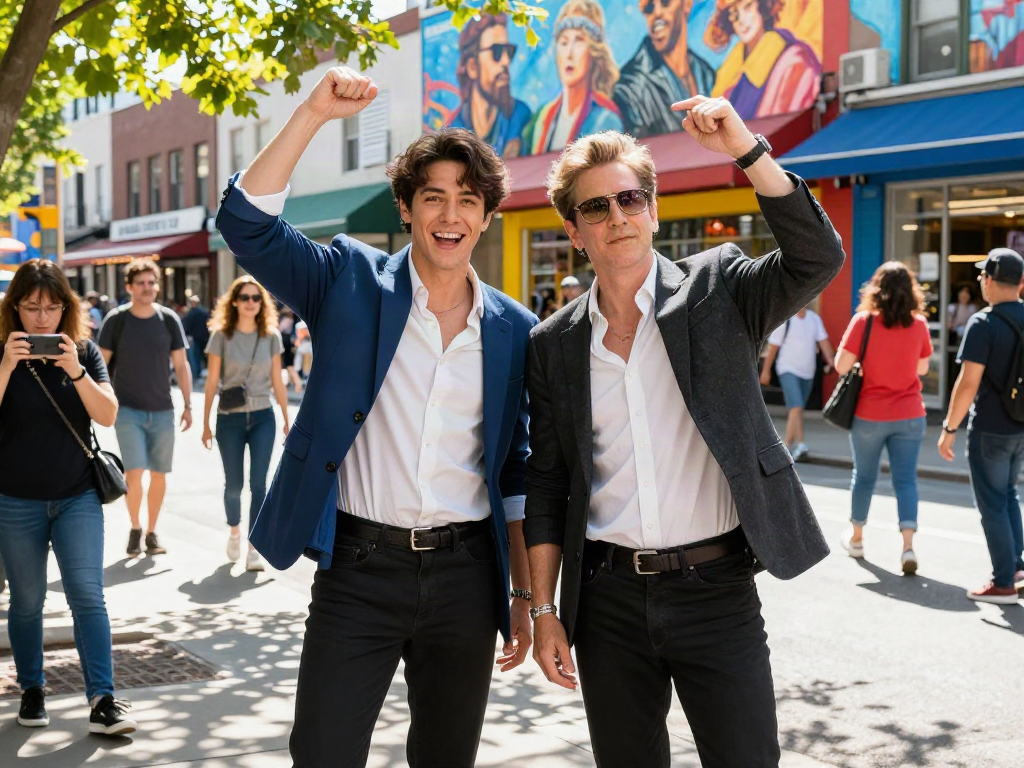
The phenomenon of people resembling celebrities has surged in popularity in recent years, driven by social media, technology, and cultural fascination. It's not just about finding someone who looks like a star; it taps into a deeper need for connection, validation, and the whimsical nature of celebrity culture. When exploring options, celebrities look alike has become a captivating aspect of self-exploration and entertainment, allowing individuals to engage with their likeness to famous figures in fun and innovative ways.
Why People Are Fascinated with Celebrity Look Alikes?
The allure of celebrity look-alikes stems from a mix of curiosity, admiration, and social psychology. People often idolize celebrities, viewing them as successful, glamorous, or aspirational. This admiration can spark a desire to see oneself reflected in these icons. Additionally, the concept of “seeing double” can create a sense of wonder and disbelief, as spotting a familiar face in an unexpected context can be both humorous and thrilling.
The Role of Social Media in Celebrity Look Alike Trends
Social media platforms have amplified the celebrity look-alike trend, providing a space for users to share their experiences and results from look-alike generators and apps. Platforms like Instagram and TikTok have seen myriad challenges and trends featuring celebrity doppelgängers, leading to viral content and discussions. Sharing these moments not only entertains but also fosters community among users who share a similar experience.
Common Misconceptions About Celebrity Look Alike Phenomenon
One major misconception is that look-alikes must have identical features or be long-lost twins. In reality, celebrity look-alikes can share striking similarities in facial structure, expressions, or even mannerisms without being exact replicas. Another misconception is that technology is always accurate; while many apps provide fun results, the underlying algorithms can sometimes be flawed, leading to humorous or unexpected outcomes.
Exploring AI Technology for Finding Lookalikes
Advancements in artificial intelligence (AI) have revolutionized how we discover celebrity look-alikes. AI algorithms can analyze facial features, skin tone, and even hairstyle to provide matches that might not be obvious at first glance. This technology enables users to engage with the concept of resemblance in ways that are both entertaining and thought-provoking. Understanding these tools becomes essential for those interested in the world of celebrity look alike.
How AI Compares Features in Celebrity Look Alike Apps
AI in celebrity look-alike apps typically utilizes deep learning techniques, training on vast datasets of celebrity images to recognize patterns and similarities. Through processes like facial recognition and feature extraction, these algorithms can assess various aspects of a person's face and compare them to a database of known celebrities. The technology is constantly improving, resulting in more accurate and interesting matches over time.
Top Applications for Discovering Who You Look Like
Several popular applications help users connect with their celebrity look-alikes. Some of the most notable include:
- StarByFace: This app uses neural networks to match photos with a database of celebrity faces, providing a fun and interactive experience.
- Celebs Like Me: A mobile app that offers quick comparisons to thousands of celebrities, it boasts a user-friendly interface and instant results.
- Face Shape Detector: This AI tool not only finds look-alikes but also provides additional insights based on face shape compatibility.
Advancements in Image Recognition for 2026
As technology rapidly evolves, the image recognition capabilities of these apps are anticipated to become even more sophisticated by 2026. Enhanced algorithms will likely improve the accuracy of matches, while increased access to high-quality images will expand databases, allowing for a broader range of celebrity comparisons. Furthermore, improved user interfaces and integration with augmented reality could lead to more immersive experiences.
Real-World Applications of Celebrity Look Alike Findings
The relevance of celebrity look-alike technology extends beyond personal use; it permeates various industries, providing unique opportunities for creativity and engagement.
The Entertainment Industry's Use of Lookalikes
In entertainment, casting directors often seek out look-alikes for various projects, from film and television to advertising. This trend allows producers to create content that resonates with audiences through familiar faces, capturing attention and sparking interest. Additionally, celebrity impersonators frequently thrive in this space, often becoming a draw at events or parties.
Marketing Strategies Leveraging Celebrity Resemblances
Brands have started utilizing celebrity look-alike concepts in marketing campaigns to capture consumer attention. By aligning products with popular figures—whether through influencer marketing or look-alike strategies—companies can enhance brand recall and consumer engagement. This approach is particularly effective in industries like fashion and beauty, where visual appeal is paramount.
Case Studies: Successful Celebrity Look Like Campaigns
Numerous brands have successfully incorporated celebrity look-alikes into their marketing strategies. For example, a well-known cosmetics brand featured a campaign with models who bore a striking resemblance to A-list actresses. The campaign not only attracted considerable buzz but also significantly boosted sales, illustrating the marketing power of celebrity likeness.
Creating Engaging Content Around Celebrity Look Alikes
With the rising interest in celebrity look-alikes, creating engaging content centered around this theme can attract diverse audiences and enhance brand visibility.
How to Use Celebrity Look Alikes in Social Media Campaigns
Social media platforms provide an ideal stage for look-alike content. Brands can encourage users to share their own look-alike results, creating a community-driven campaign. Incorporating hashtags and challenges can further enhance engagement, inviting users to participate actively.
Best Practices for Photography Featuring Look Alikes
When utilizing look-alikes in photography, it's crucial to focus on composition and lighting to accentuate similarities. Creative editing techniques can also enhance the visual appeal, making the images more striking and memorable. Ensuring a playful and light-hearted tone can resonate well with audiences, enhancing shareability.
Building Community Engagement through Look Alike Events
Host events centered around the concept of look-alikes, such as photo contests or themed parties, to foster community engagement. These events can serve as platforms for people to meet, share experiences, and celebrate their resemblances to celebrities, creating a fun and memorable atmosphere.
Future Trends in Celebrity Look Alike Recognition
As we look to the future, the celebrity look-alike phenomenon is expected to evolve alongside advances in technology and shifting cultural trends.
Predictions for Celebrity Look Alike Trends in 2026
By 2026, we can anticipate a continued rise in the use of AI-driven technology for celebrity look-alike recognition. Enhanced personalization options in apps may allow users to filter results based on preferred celebrities, leading to more tailored experiences. Additionally, the merging of this technology with augmented reality could provide users with interactive and immersive ways to explore their look-alike matches.
Emerging Technologies that Will Transform the Industry
Technologies such as deep learning, real-time facial recognition, and virtual reality are set to transform how audiences engage with celebrity look-alikes. As these technologies advance, they may offer highly interactive and personalized experiences, allowing users to not only discover their look-alikes but also interact with them in fun ways.
Final Thoughts: Adapting to Changes in the Look Alike Landscape
As the landscape of celebrity look-alikes continues to change, staying informed about emerging trends and technologies is crucial for brands and individuals alike. Embracing creativity and innovation will allow one to leverage the fascination surrounding celebrity likenesses effectively, whether for personal enjoyment or professional endeavors.
What are the Most Popular Celebrity Look Alike Apps?
Popular apps continually evolve, introducing new features and improvements. As technology advances, the best applications for discovering look-alikes will be those that incorporate the latest AI capabilities and user-friendly interfaces, making them more accessible and engaging.
How Accurate Are Celebrity Look Alike Generators?
The accuracy of look-alike generators can vary significantly based on the underlying algorithms and databases used. While many offer entertaining results, users should approach their findings with a sense of humor, recognizing that such platforms are primarily designed for amusement rather than precise facial matching.
Can Celebrity Look Alike Apps Enhance Personal Branding?
Indeed, using celebrity look-alike apps can enhance personal branding by adding an engaging element to social media profiles. Showcasing fun results can spark conversations and interactions, allowing individuals to create memorable online personas that resonate with their audiences.
What Celebrities Are Most Commonly Compared?
Celebrity look-alikes often include well-known figures like Jamie Dornan and Robert Pattinson, or even pop stars like Justin Bieber and Harry Styles, whose features can be similar enough to make comparisons intriguing and entertaining.
Are Celebrity Look Alike Events Popular?
Yes, celebrity look-alike events have become increasingly popular, enabling attendees to celebrate their similarities in a fun environment. These events can range from costume parties to contests, generating excitement and community bonding around the shared experience of resemblance.