Understanding the Importance of Pages for Kids
In today's fast-paced and technology-driven world, the value of creativity and artistic expression in childhood cannot be overstated. Engaging in activities such as coloring, crafting, and educational worksheets plays a crucial role in a child's development. Pages for kids offer a wide range of opportunities for children to explore their creativity, enhance their learning, and foster emotional growth. This article delves into the significance of these activities and how they contribute to holistic child development.
How Creative Expression Benefits Children
Creative expression is fundamental to children's cognitive and emotional development. Through various forms of art, children learn to communicate their thoughts and feelings. Activities like coloring or drawing encourage self-expression and often lead to improved verbal skills. They provide an avenue for children to articulate their ideas, enhance problem-solving skills, and are pivotal in developing critical thinking abilities.
Learning Through Play: The Role of Art
The integration of art into playtime transforms the learning experience. Artistic activities, such as painting or crafting, promote experiential learning, which is essential for young minds. As children create, they experiment with colors, shapes, and textures, learning about the world around them. This hands-on approach is particularly effective in retaining information, as it engages multiple senses, making learning enjoyable and memorable.
Emotional Development and Art Activities
Artistic activities can also significantly influence a child’s emotional well-being. Engaging in creative tasks allows children to express emotions that they may not yet have the vocabulary to articulate. This form of expression can lead to improved emotional regulation, helping children manage stress and anxiety. Moreover, sharing their artwork with peers or family members fosters social skills, enhances self-esteem, and creates a sense of belonging.
Types of Pages for Kids Available Today
The variety of pages available for kids has expanded dramatically, reflecting diverse interests and educational needs. From coloring pages featuring popular characters to educational worksheets that reinforce key concepts, these resources are essential for parents seeking to enrich their children's experiences.
Coloring Pages: A Gateway to Creativity
Coloring pages serve as a wonderful introduction to artistic expression for children. They not only stimulate creativity but also improve fine motor skills and hand-eye coordination. By choosing their colors and applying them to the outlines, children learn decision-making skills and gain confidence in their artistic abilities. Furthermore, coloring is an excellent tool for calming anxious minds, promoting mindfulness as children focus on the task at hand.
Craft Projects: DIY Ideas for Home
Crafting encourages imaginative play and hands-on learning. Craft projects vary widely, from simple paper crafts to more complex DIY activities that involve building and assembly. They often incorporate various materials, sparking curiosity and experimentation. Parents can find numerous ideas online, encouraging children to create personalized gifts or home décor, which can also serve as valuable keepsakes.
Printable Educational Worksheets
Educational worksheets are a fantastic way to reinforce learning in a fun and engaging manner. Covering subjects from math to language arts, these worksheets are designed to be both enjoyable and instructional. They allow children to practice skills they've learned in school while also introducing new concepts at their own pace. With a plethora of resources available online, parents can easily find worksheets tailored to their child’s age and skill level.
Integrating Pages for Kids into Daily Routines
Incorporating creative pages into daily routines can foster a consistent environment for artistic growth. Creating a structured schedule that includes time for art allows children to develop good habits while also enjoying the process.
Setting Up an Art Station at Home
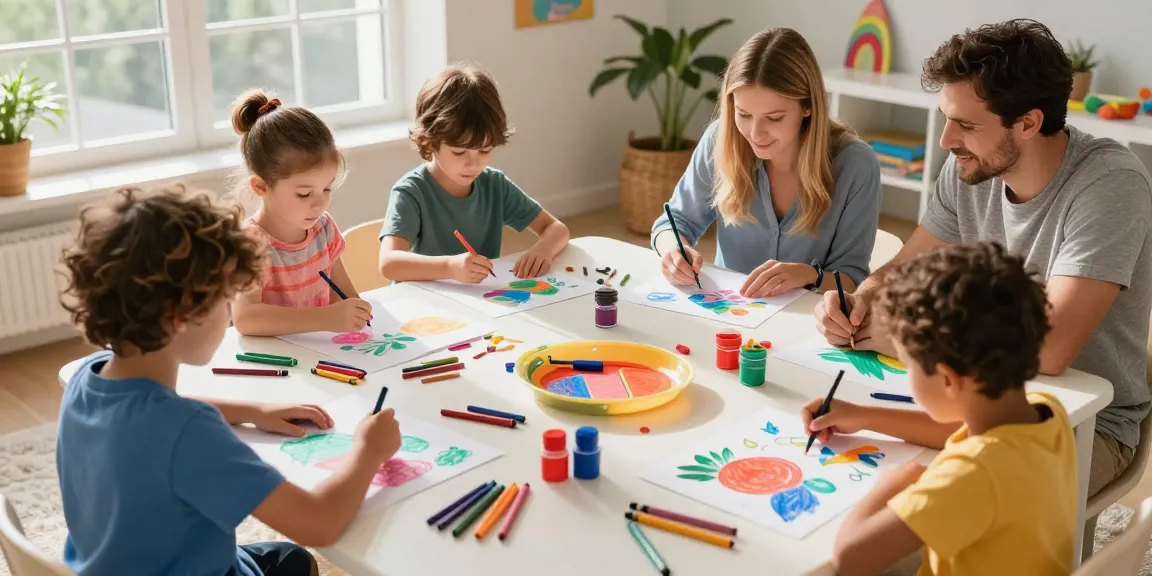
One of the best ways to encourage creativity is to have a dedicated art station at home. This space should be stocked with various art supplies such as colored pencils, crayons, paper, and craft materials. Having a designated area allows children to explore their creativity freely and makes artistic expression accessible at any time.
Time Management: Balancing Play and Learning
Finding the right balance between structured learning and free play is key. While educational activities are important, unstructured playtime enables children to develop their imaginations. Parents can allocate specific times for both types of activities, ensuring that children benefit from both structured learning and creative exploration.
Using Technology to Enhance Creativity
In the digital age, technology can play a significant role in enhancing creativity. Many apps and websites offer interactive coloring pages and craft tutorials that captivate children's attention. These resources can complement physical pages, providing a modern twist on traditional activities. However, it's important for parents to moderate screen time and encourage a balance between digital and hands-on activities.
Best Practices for Parents
As caretakers, parents have the unique opportunity to nurture their child's creativity through art. By implementing effective strategies, they can support their child's artistic endeavors while boosting their confidence.
Guiding Creativity without Overstepping
While it's essential to guide children, it's equally important to allow them the freedom to explore their creativity. Parents should encourage children to express themselves without fear of judgment. Offering constructive feedback without imposing their own preferences can help children feel more secure in their artistic choices.
Encouraging Collaboration Among Siblings
Art can also serve as a bonding activity among siblings. Encouraging collaborative projects fosters teamwork and improves social skills. Working together on a large craft or shared coloring page can teach children valuable lessons in compromise and communication, enriching their relationships.
Establishing a Routine for Artistic Activities
Establishing a routine for artistic activities can enhance a child’s ability to focus and engage deeply with their projects. Setting aside specific times each week for art allows children to look forward to these sessions and develop a sense of commitment to their activities.
Looking Ahead: Trends in Children's Art and Learning
As we move further into the future, trends in children's art and learning continue to evolve. Understanding these trends can help parents and educators create more enriching experiences for young learners.
Emerging Technologies in Educational Art
Technology is increasingly becoming interwoven with art education. Virtual reality (VR) and augmented reality (AR) are beginning to play a role in how children create and learn about art. These technologies can transform a static art lesson into an immersive experience, making them particularly appealing to today's tech-savvy generation.
Sustainability in Art Supplies and Practices
As environmental awareness grows, so does the demand for sustainable art supplies. Parents are encouraged to choose eco-friendly materials, such as recycled paper and non-toxic paints. Teaching children about sustainability while they create can instill a sense of responsibility towards the environment, enhancing their educational experience.
Future of Interactive Learning for Kids
Interactive learning is likely to be a significant focus in the future of education. Combining art with interactive experiences encourages children to engage actively with content, leading to a deeper understanding of concepts. As educational paradigms shift, the fusion of creativity and technology will play a crucial role in shaping children's learning experiences.
Are Pages for Kids integral to child development?
Absolutely. Pages for kids are not only integral to reinforcing learning but also vital in fostering creativity, emotional expression, and cognitive skills. They serve as a bridge between play and education, allowing for a holistic approach to child development.
What age is suitable to introduce pages for kids?
Children as young as two years old can benefit from simple coloring pages. As they grow, these activities can be adapted to suit their developmental stages, introducing more complex tasks and themes as their skills improve.
How can parents encourage their kids' creativity?
Parents can encourage creativity by providing a variety of materials, setting aside time for art, and allowing children to explore their interests. Fostering an environment where mistakes are viewed as learning opportunities can also encourage kids to take creative risks.
What materials are best for pages for kids?
High-quality colored pencils, crayons, markers, and eco-friendly paper are excellent materials for engaging children in artistic activities. Parents should choose non-toxic products to ensure safety, especially for younger children who may put items in their mouths.
Where to find high-quality pages for kids?
Parents can find high-quality pages for kids through various online platforms, educational websites, and local bookstores. Many resources offer free printable options, allowing parents to have a wealth of activities at their fingertips without breaking the bank.