The Advanced Home Safety Playbook for Experienced Homeowners
Understanding the Essential Role of a Domestic Electrician
In today’s modern households, the importance of electrical safety cannot be overstated. Domestic electricians play a crucial role in ensuring that residential electrical systems operate safely and efficiently. By addressing both immediate electrical needs and long-term system integrity, these professionals are vital to the maintenance and safety of our homes. When exploring options, this page provides comprehensive insights into the various responsibilities of a domestic electrician.
What Does a Domestic Electrician Do?
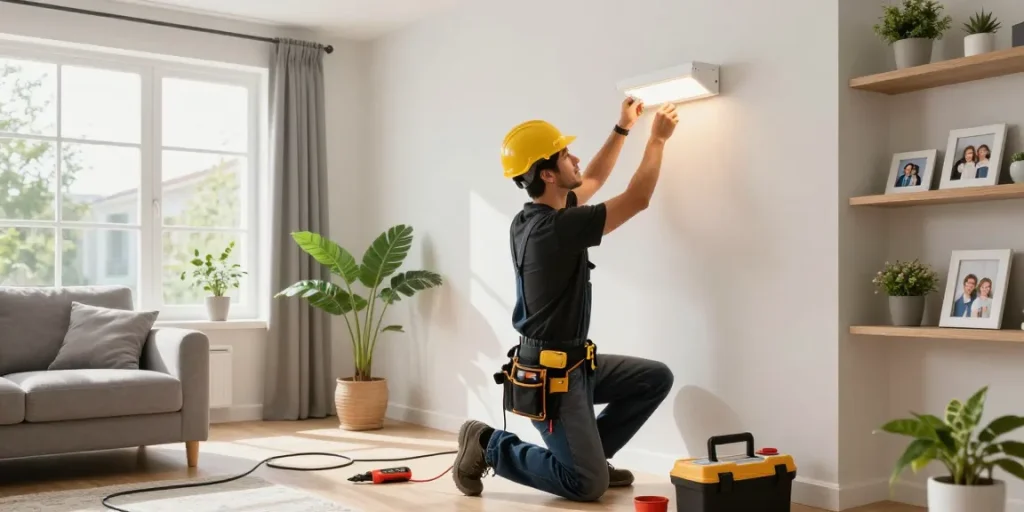
A domestic electrician specializes in installing, maintaining, and repairing electrical systems in homes. Their duties encompass a wide range of tasks, including wiring new constructions, replacing outdated systems, and troubleshooting electrical issues. They ensure that all installations comply with local electrical codes and safety regulations. Additionally, domestic electricians are well-versed in working with lighting fixtures, outlets, circuit breakers, and home automation systems. By addressing these components, they help create a safe and functional environment for homeowners.
Why You Should Hire a Professional
Trying to handle electrical issues without proper knowledge can lead to serious safety hazards. Hiring a certified domestic electrician ensures that the work done adheres to safety protocols, minimizing the risk of electrical fires and shock hazards. Professionals bring expertise and experience that a DIY approach lacks, providing peace of mind. Moreover, employing an electrician can save homeowners money in the long run by preventing costly repairs caused by amateur mistakes.
Understanding Electrical Safety Codes
Electrical safety codes are established standards that ensure the safe installation and maintenance of electrical systems. These codes provide guidelines concerning wiring, grounding, and circuit protection. A domestic electrician is familiar with these codes and applies them to every job to ensure compliance and safety. Awareness of these regulations not only protects the homeowners but also plays a part in reducing liabilities for the electrician.
Common Electrical Issues in Modern Homes
As homes evolve with technology, so do the challenges associated with their electrical systems. Common issues can include faulty wiring, overloaded circuits, and power outages, each of which requires prompt attention to maintain safety and functionality.
Identifying Faulty Wiring and Circuit Breakers
Faulty wiring is a significant risk factor in many homes and can manifest as flickering lights, tripping circuit breakers, or even electrical fires. Domestic electricians possess the skills to identify and rectify wiring problems, ensuring that your home is safe and compliant with current electrical standards.
Recognizing Overloaded Circuits
Overloaded circuits happen when too many devices draw power from a single circuit, leading to overheating and potential hazards. Electricians can assess the load on circuits and install additional circuits or breaker upgrades as needed. Recognizing the signs of overload—like dimming lights or outlets that feel warm to the touch—is essential for homeowners.
Dealing with Electrical Outages
Electrical outages can disrupt daily life but understanding their causes can help mitigate their impact. Common causes include severe weather, faulty wiring, or overwhelmed systems. An electrician can diagnose the source of outages and implement solutions like circuit upgrades or alternative power sources.
Preventative Measures for Electrical Safety
Proactive measures not only enhance electrical safety but also prolong the lifespan of a home’s electrical system. Regular inspections and upgrades are essential to maintaining an efficient and safe electrical environment.
Regular Inspections and Maintenance
Routine inspections by a qualified domestic electrician can catch potential problems before they escalate. These inspections provide an opportunity to check for outdated equipment, signs of wear and tear, and ensure that safety devices like smoke detectors and circuit breakers are functioning correctly.
Upgrading Old Electrical Systems
Many homes still operate on outdated electrical systems that may not support modern appliances and technology. Upgrading to a newer system can improve efficiency and safety. Electricians can evaluate existing systems and recommend necessary upgrades to comply with current standards.
Implementing Smart Home Technology
Smart home technology offers solutions for enhancing safety and efficiency within households. Systems that allow for remote monitoring and control can alert homeowners to potential issues before they become serious. Collaborating with a domestic electrician can help integrate these technologies seamlessly.
Choosing the Right Domestic Electrician
Selecting a reliable domestic electrician is essential for ensuring that your electrical needs are met with professionalism and expertise. Knowing what to look for can simplify the selection process.
Qualifications and Certifications to Look For
When choosing an electrician, verify their qualifications and certifications. Licensed electricians have undergone extensive training and are familiar with the latest electrical codes and safety protocols. This background ensures that your electrical work is performed according to industry standards.
Evaluating Customer Reviews and Feedback
Reading reviews from previous customers can provide insight into an electrician’s reliability and quality of work. Look for feedback on timeliness, professionalism, and the ability to communicate effectively with clients. Positive reviews can indicate a trustworthy service provider.
Understanding Pricing and Service Agreements
Before hiring an electrician, it’s crucial to understand their pricing structure and service agreements. Ask for an estimate and clarify what services are included. Transparency in pricing helps prevent misunderstandings and assures you of the value of the services provided.
Future Trends in Electrical Safety and Home Automation
As technology advances, the electrical industry is evolving to meet new challenges and opportunities. Being aware of upcoming trends can help homeowners make informed decisions regarding their electrical systems.
Emerging Technologies in Home Electrical Systems
Innovations like smart grids, energy-efficient devices, and advanced circuit protection systems are revolutionizing home electrical systems. A domestic electrician can help homeowners stay ahead of these trends by incorporating new technologies into their systems.
The Role of Renewable Energy Sources
With a growing emphasis on sustainability, renewable energy sources like solar panels are becoming more mainstream in residential settings. Electricians will increasingly install and maintain these systems, making them an integral part of modern electrical infrastructure.
Preparing for Smart Home Integration in 2026
As more homeowners seek convenience and efficiency, the demand for smart home integrations will continue to grow. Electricians will need to stay educated on new technologies and installation methods to meet these demands effectively.
What safety measures should I consider for my electrical system?
Implementing safety measures like installing GFCI outlets, ensuring proper grounding, and utilizing surge protectors are important for protecting your home from electrical hazards.
How often should I have electrical inspections performed?
Annual inspections are generally recommended, but older homes or homes with previous electrical issues may benefit from more frequent checks.
What signs indicate I need to upgrade my electrical system?
Indicators include frequent tripping of breakers, flickering lights, or an inability to power multiple devices simultaneously. If you notice these issues, it’s time to consult a professional.
How can I find a reliable domestic electrician?
Ask for recommendations from friends or family, check online reviews, and verify certifications before making your choice.
What are the benefits of smart home technology for safety?
Smart home technology enhances safety by offering features like remote monitoring, alerts for unusual activity, and automated lighting controls, which can deter burglary and increase safety.